
I went to Atapi Wonderland expecting noise, rides, and crowd energy.
What I didn’t expect?
A playground of color theory, symmetry experiments, rustic textures, and sunlight behaving like a spotlight operator.
This post is less about rides — and more about light, angles, and observation.
The Journey Begins#
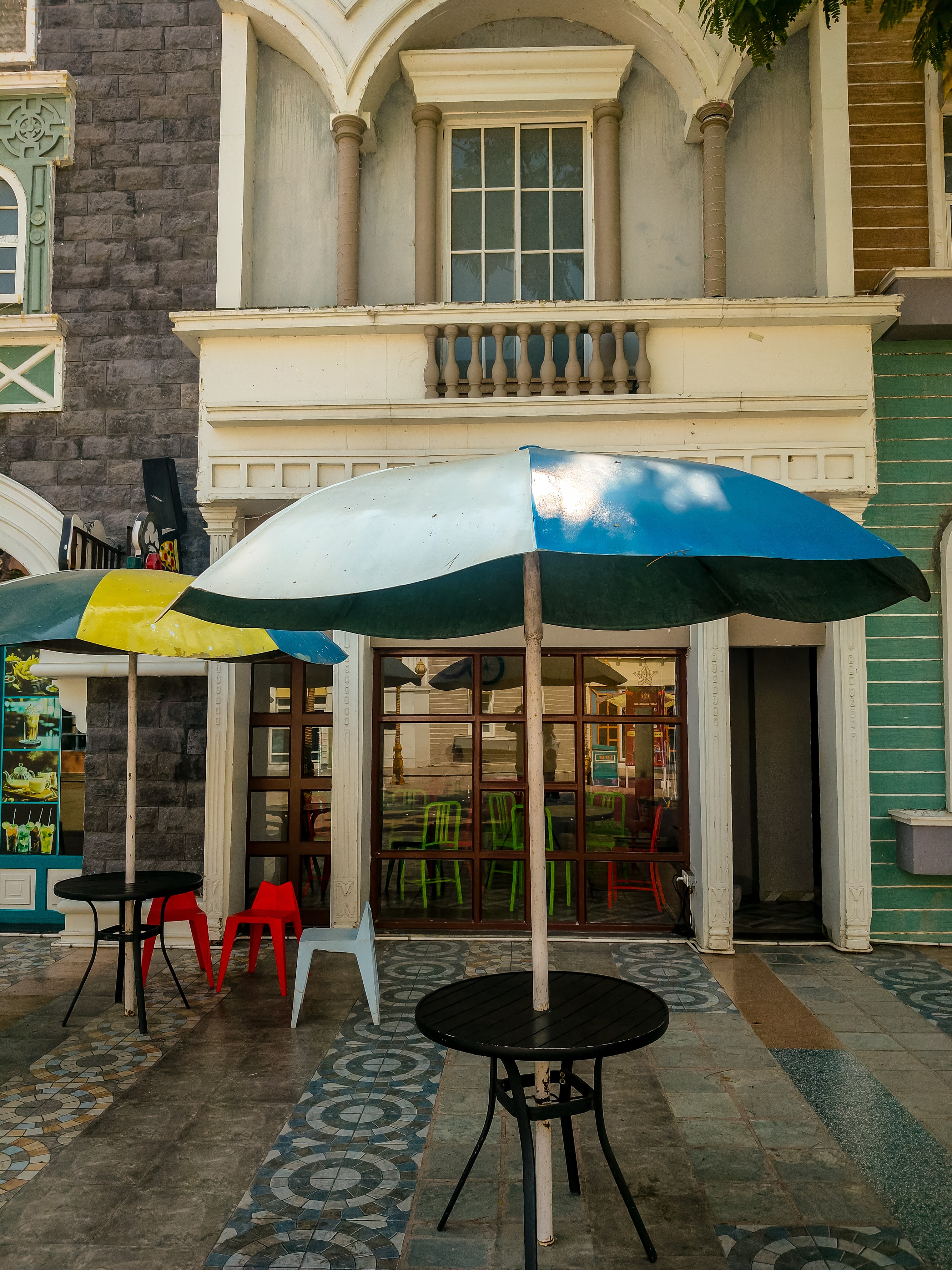
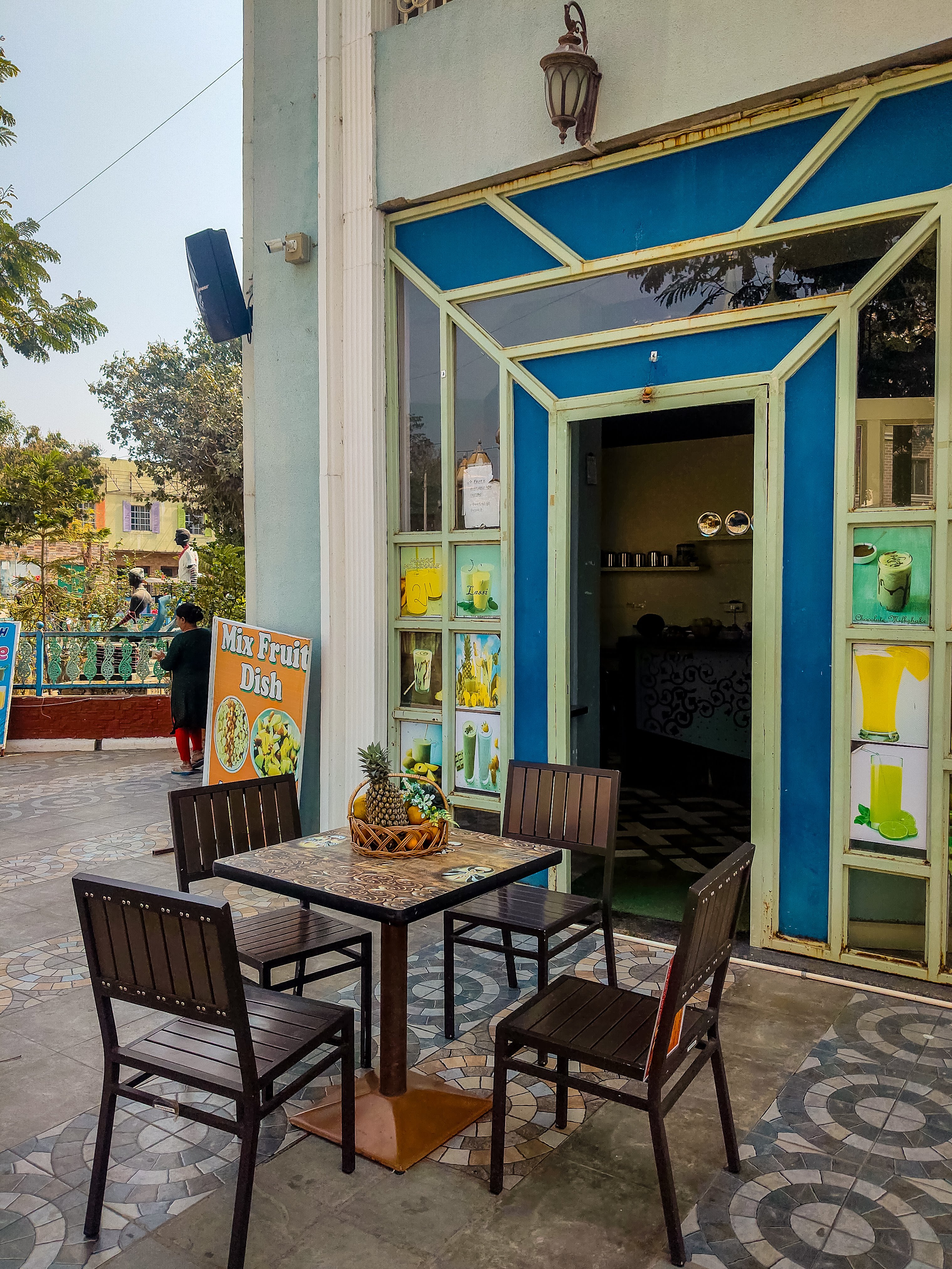
We came a little too early. The gates were open, but the park hadn’t fully woken up yet. No queues, no noise, none of the chaos you expect from a place built for excitement. Just clean lines of railings, empty chairs placed almost too perfectly, umbrellas casting soft shadows on untouched tables. The cold breeze moved through the trees like it didn’t care whether it was Valentine’s Day or just another afternoon. I kept thinking — these chairs are waiting. For conversations that will happen. For ones that won’t. For laughter, maybe awkward silences. Some stories will start here and finish somewhere else. Some will begin and stay incomplete, like most things do. The symmetry of the buildings, the neat rows, the stillness — it all felt calmer than expected. I had come prepared for chaos, but instead found pause. And in that pause, something felt honest. Like the park was holding its breath before the world rushed in.
Fragments of a Wonderland#
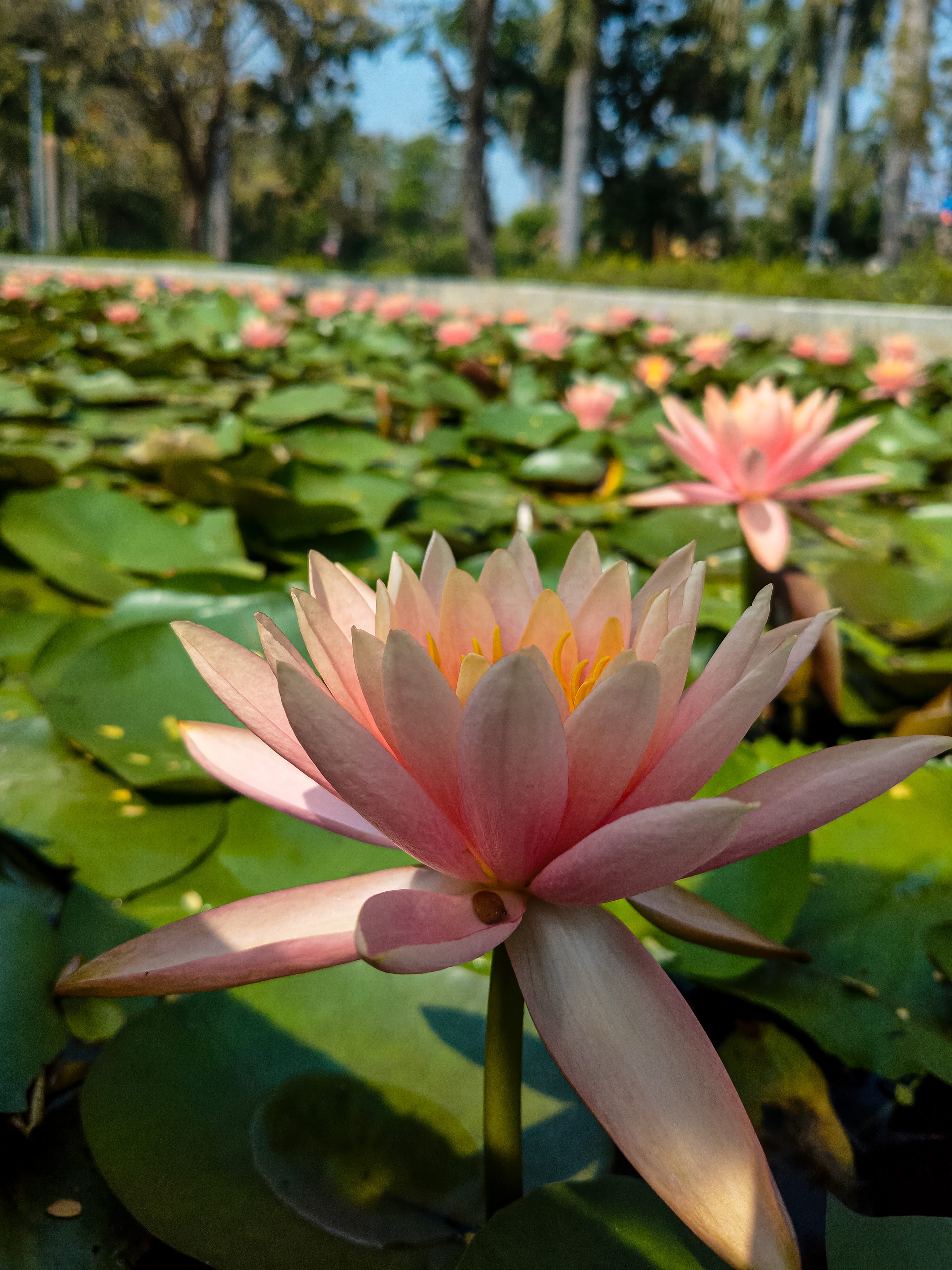
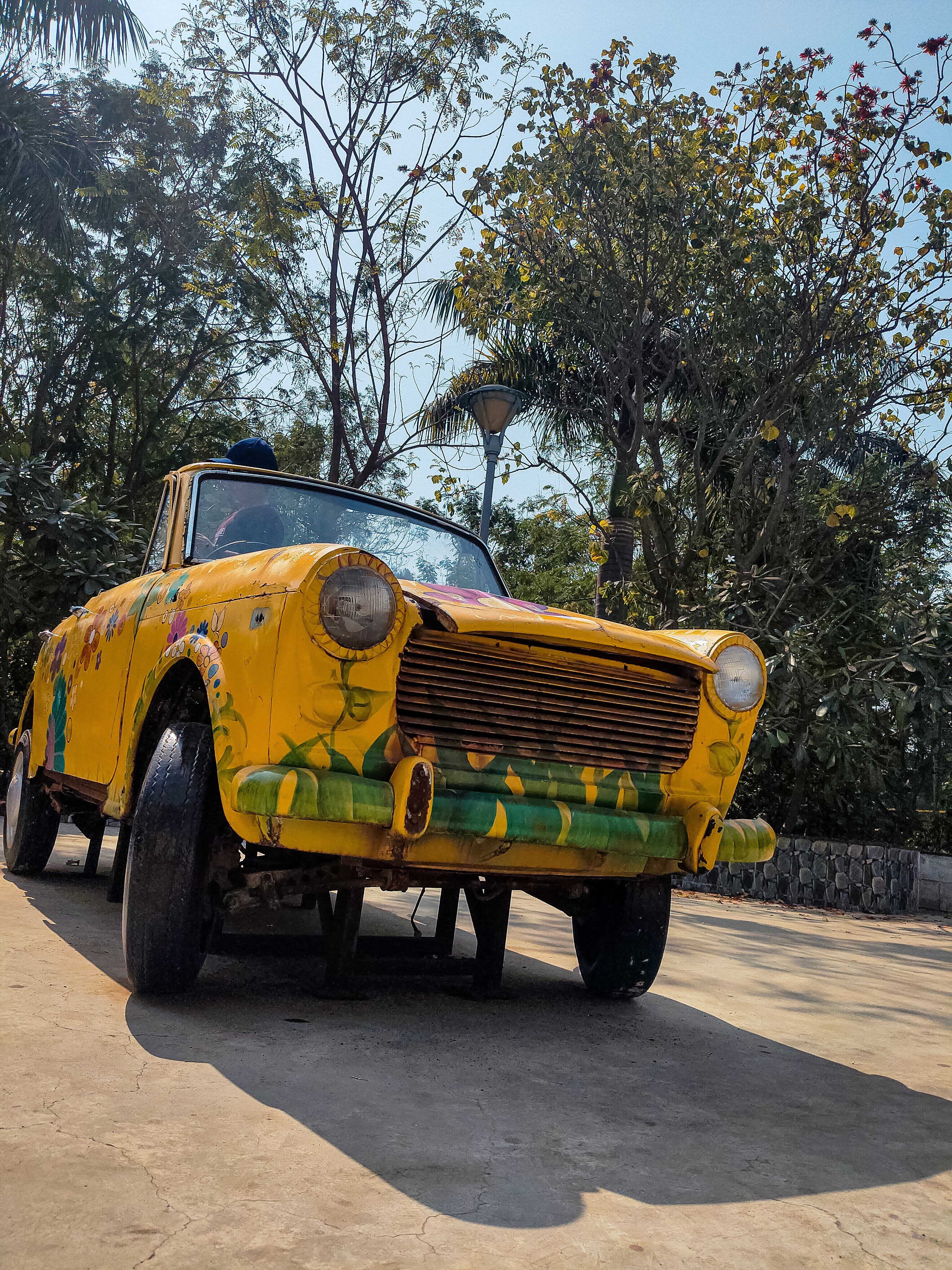
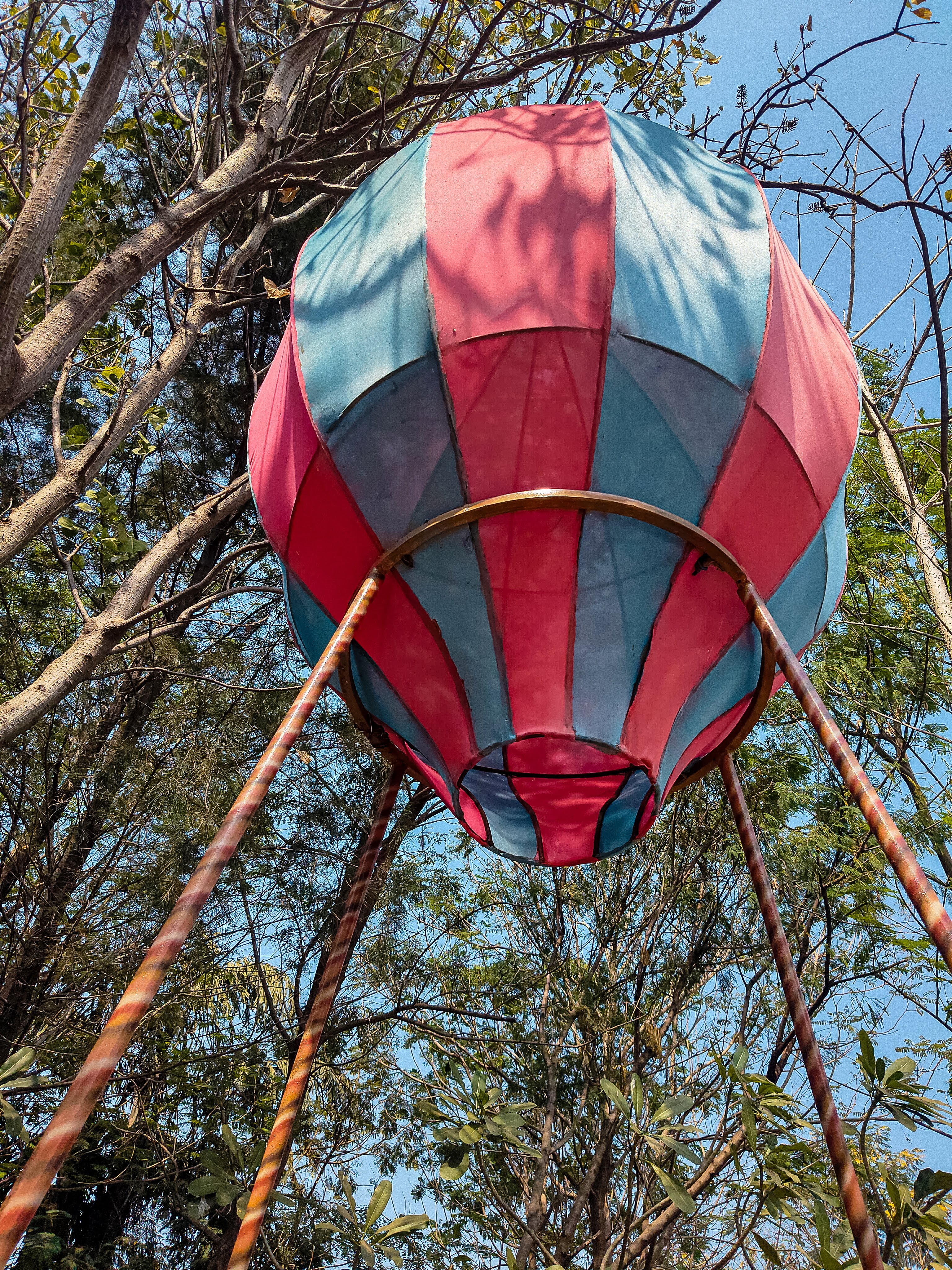
We kept walking, and the place slowly started feeling less like an amusement park and more like a collection of small moments. The lotus was just there — open, soft, not trying too hard. The yellow car looked tired but proud, like it had already lived its exciting years and was okay standing still now. That balloon thing above us — it almost felt like it wanted to float away but couldn’t. I don’t know why, but that felt relatable.
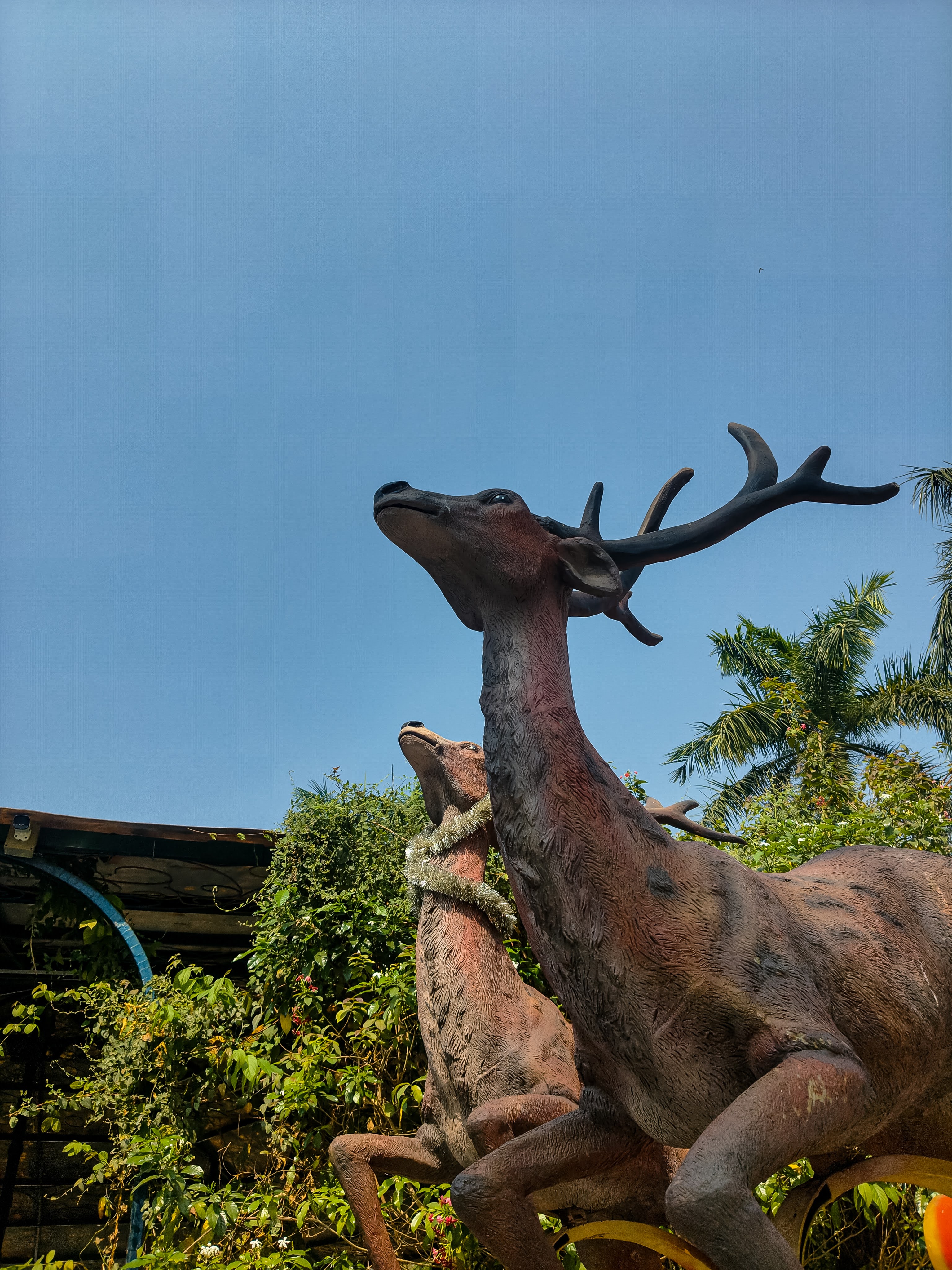
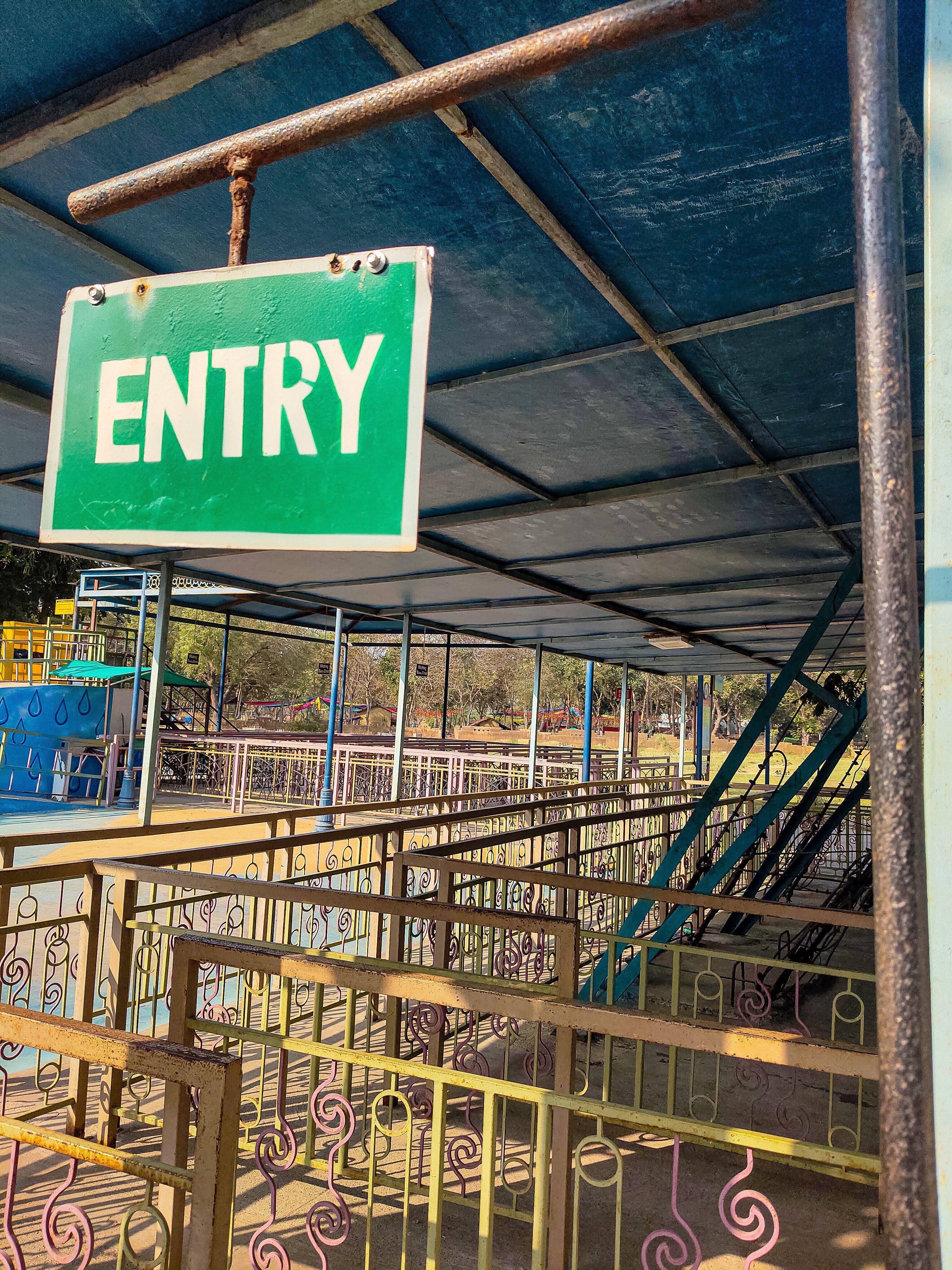
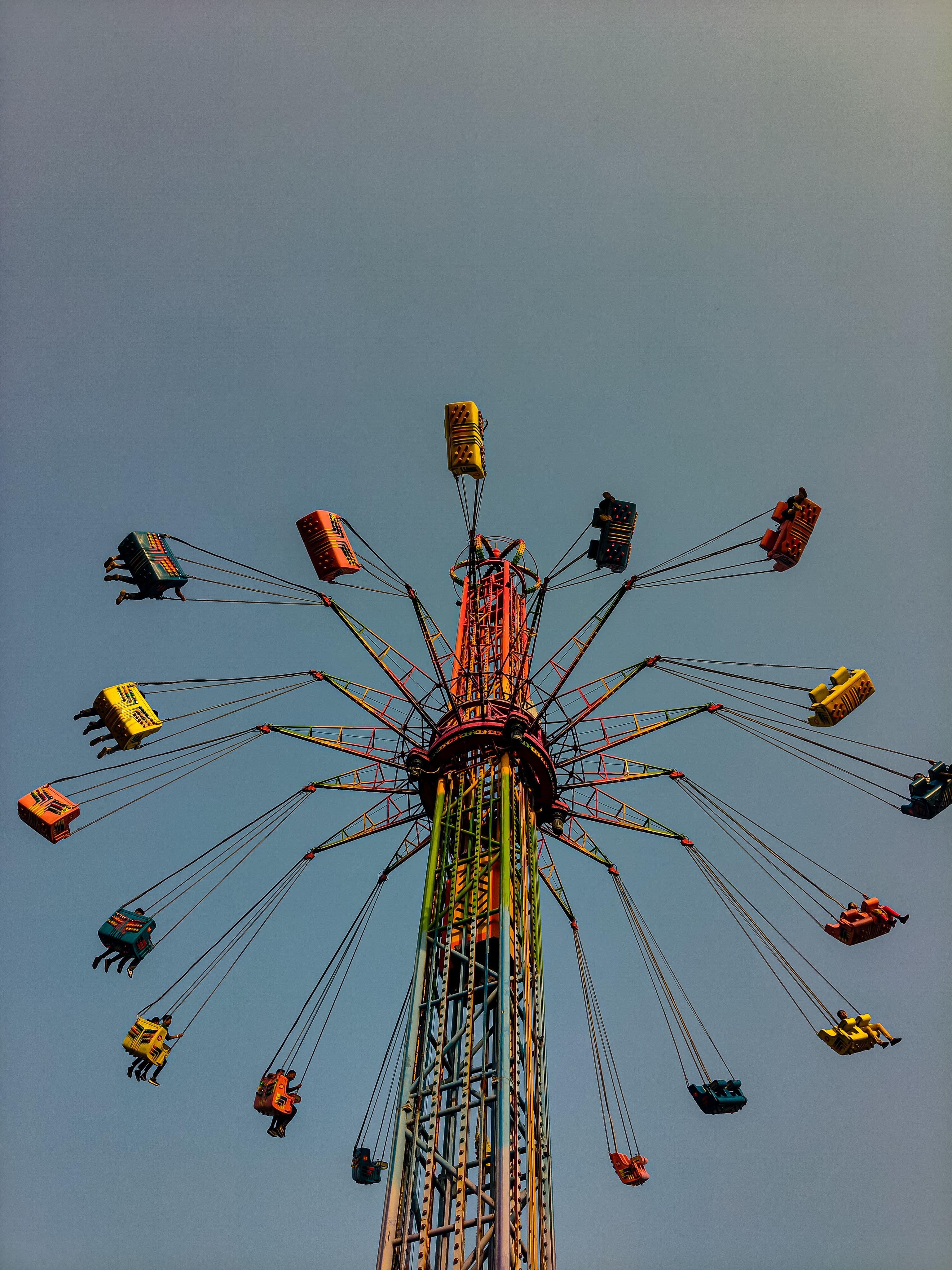
The entry lanes were still mostly empty, all those railings perfectly arranged, waiting for people who hadn’t arrived yet. Later they’d be messy, loud, impatient. But at that moment they were calm. The giant swing ride finally had people on it, spinning in circles against a wide, clear sky. From below it looked chaotic, but if you looked properly, it was balanced. Even the deer statues — frozen mid-leap, heads raised — felt like they were waiting for something we couldn’t see.
It wasn’t dramatic. It wasn’t overly romantic either. It was just… quiet in between things. Like the world hadn’t fully decided what kind of day it wanted to be yet. And we happened to be there in that in-between.
The Corner Everyone Walked Past#
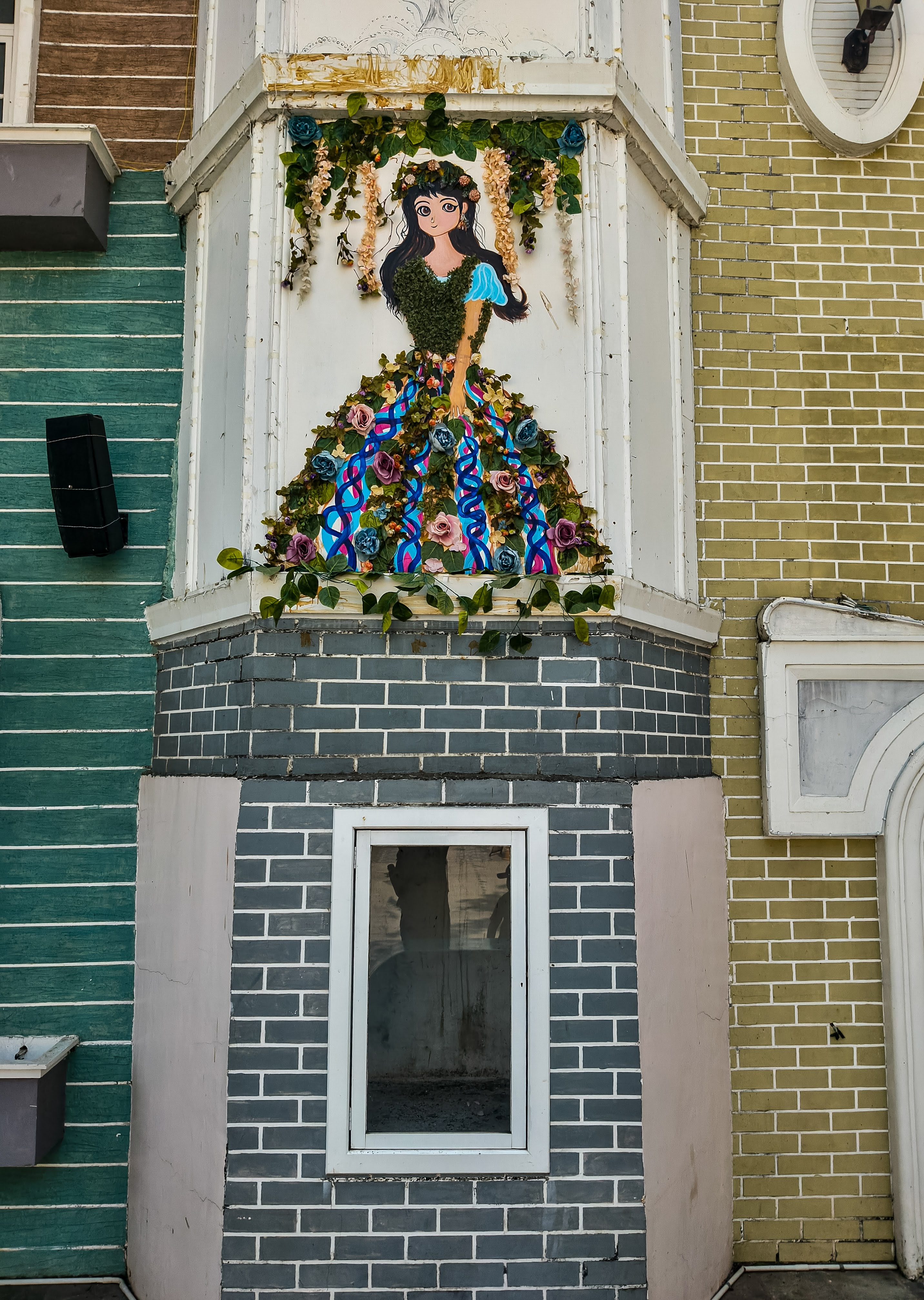
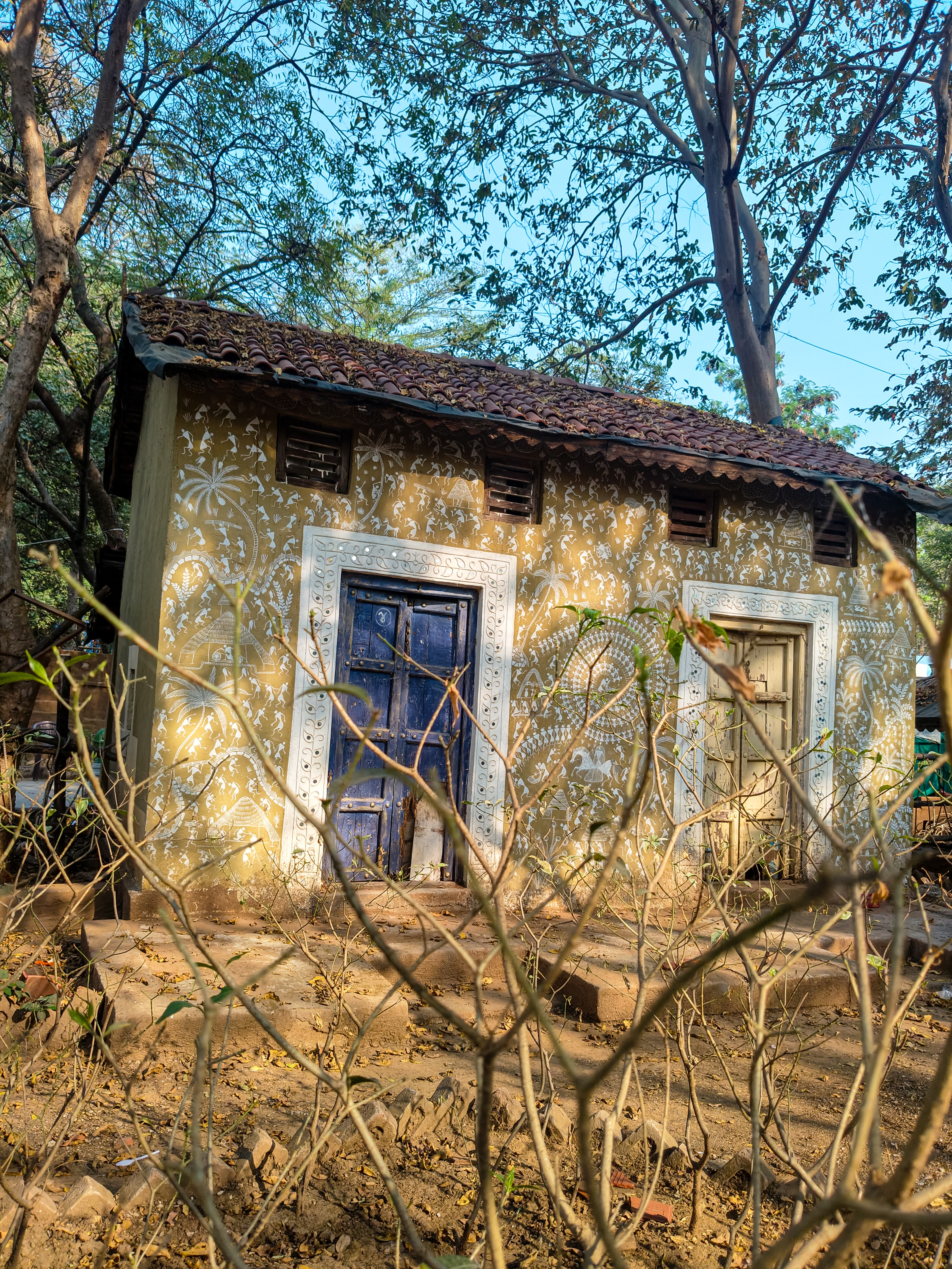
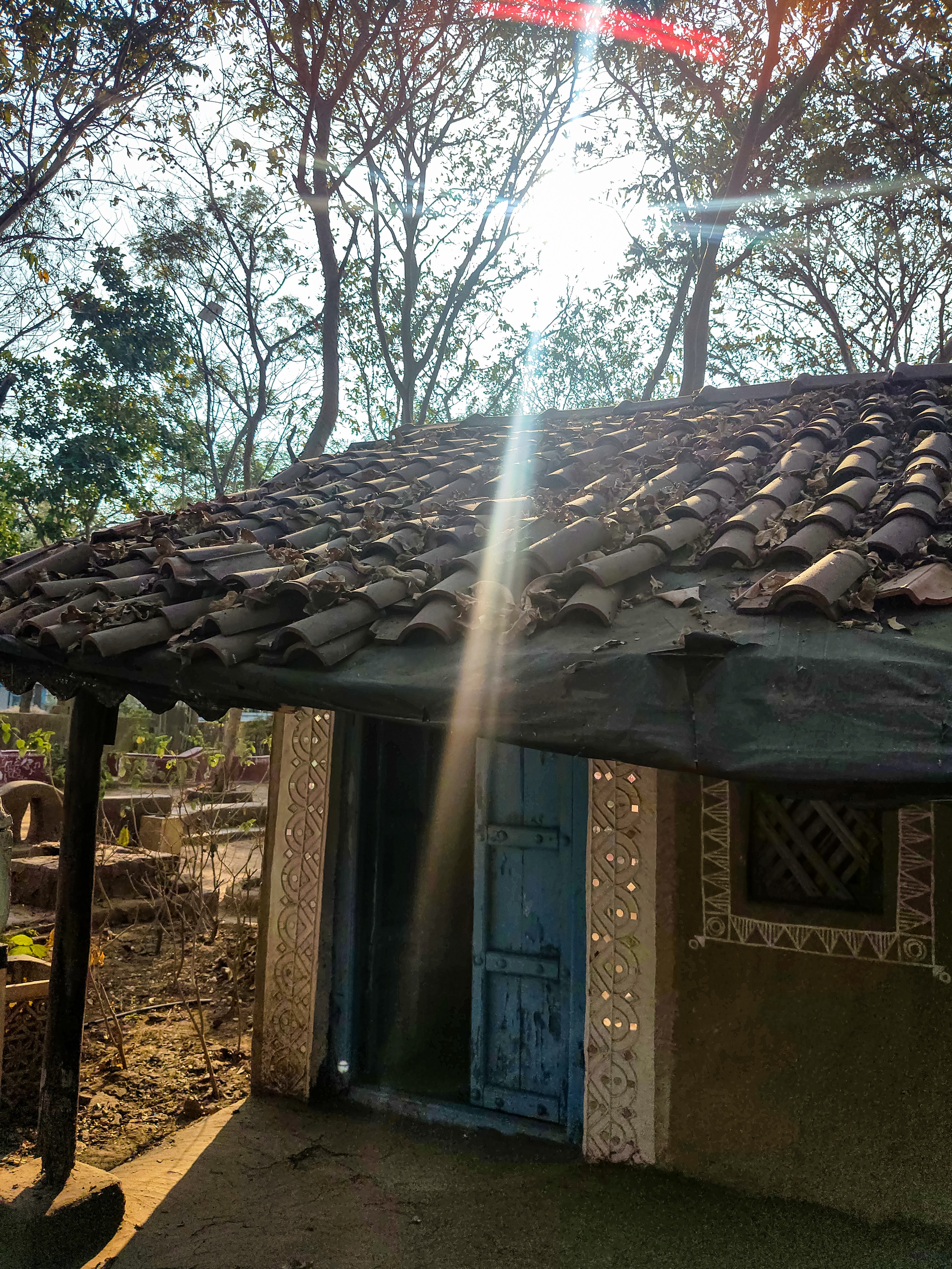
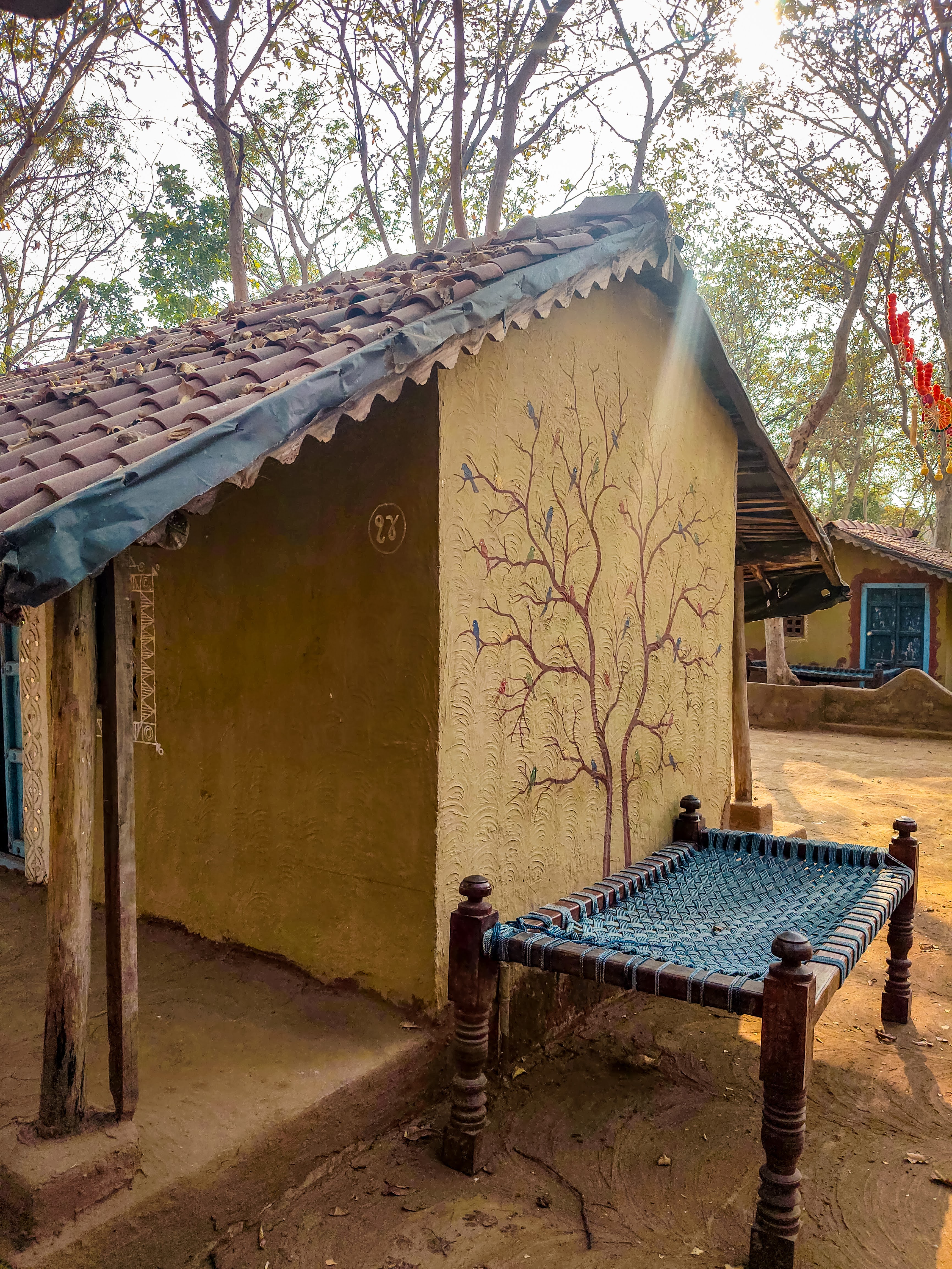
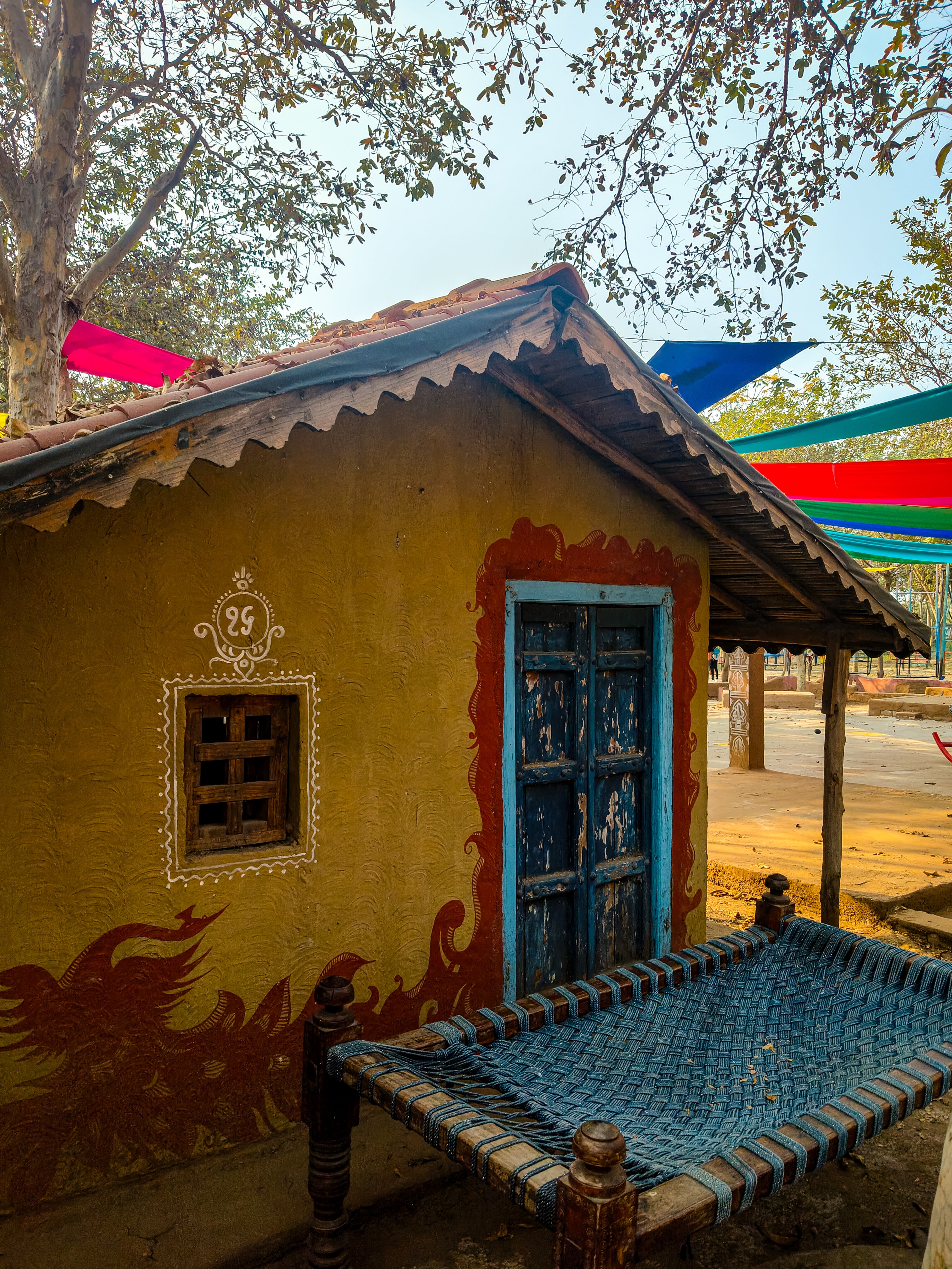
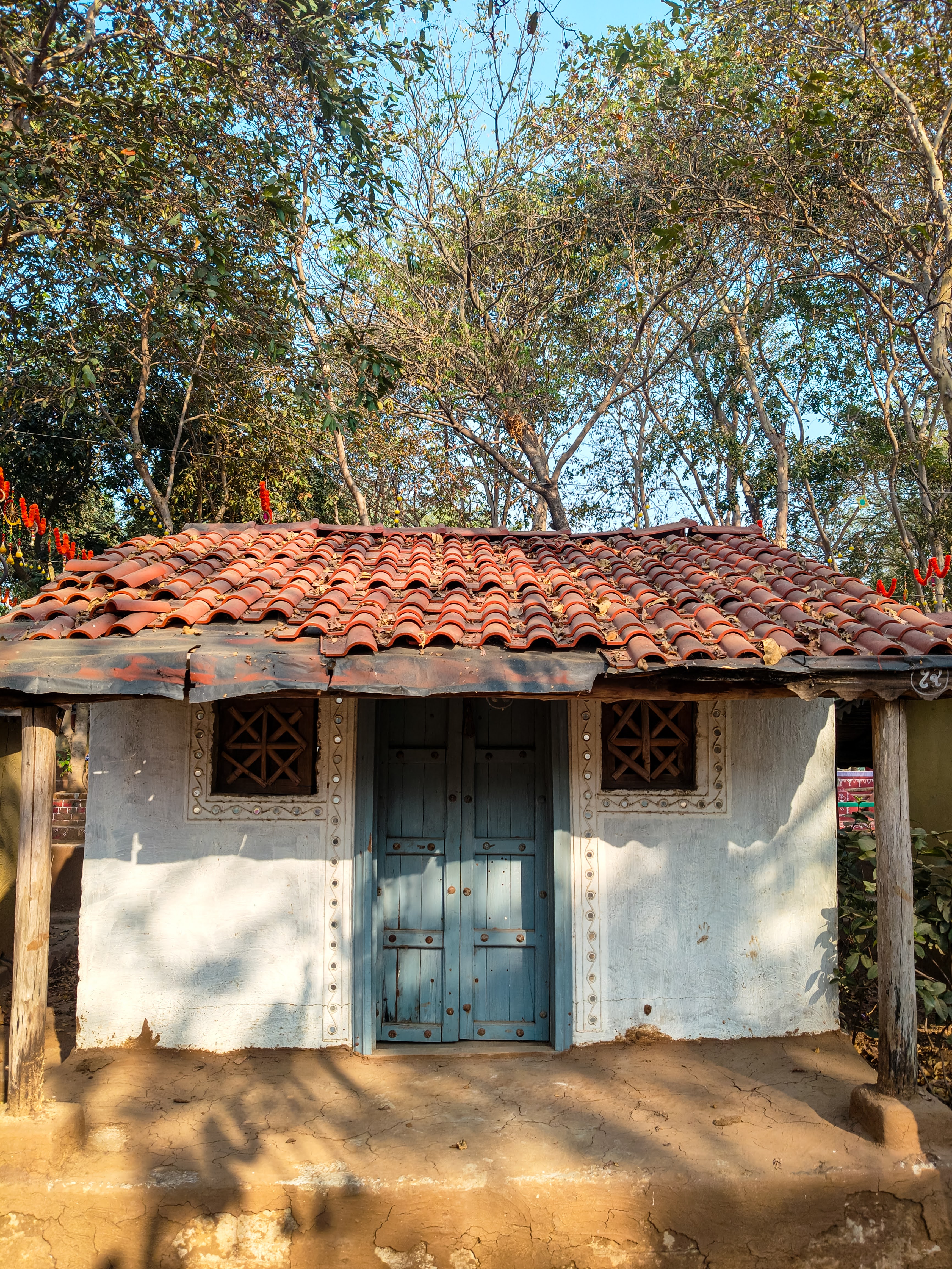
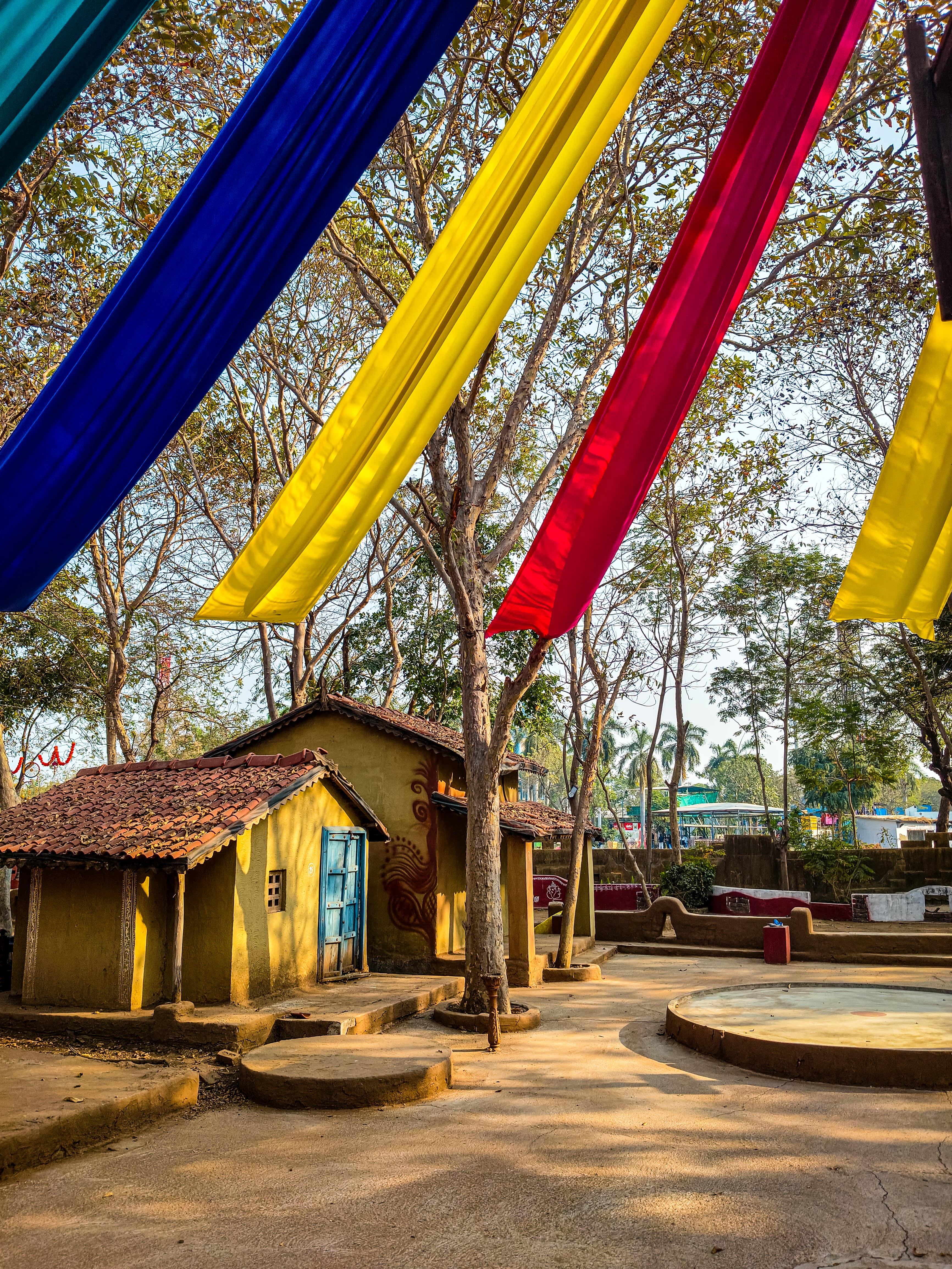
This part of the park was supposed to be artificial — painted mud walls, neatly arranged huts, doors aged on purpose. And still, it didn’t feel fake. It felt like someone had just stepped out and would return by evening. The blue wooden doors, the clay roof tiles holding dry leaves, the charpai resting outside in the sun — everything carried a softness the city doesn’t allow anymore. No rush. No urgency. Just light falling through trees as if it had all the time in the world.
What stayed with me most was the emptiness. The rides nearby had noise, laughter, people chasing excitement. But this little village corner stood untouched. As if even inside a park, we instinctively move away from villages. The same pattern we follow in life — leaving gaon for sheher, silence for speed, roots for ambition.
And standing there, those lines kept echoing in my head — written by Irshad Kamil, but feeling far too personal to belong to just one man:
“Jabse gaanv se main shehar hua, Itna kadva ho gaya ki zehar hua…”
When Shah Rukh Khan — the one I’ve admired for as long as I can remember — carried those words on screen, they never felt like lyrics. They felt like confession. Like someone admitting that in becoming more, we sometimes become harsher. That somewhere between leaving home and building a life, something gentle gets lost.
That artificial village didn’t feel artificial at all. It felt like memory. Of slower evenings. Of sitting outside instead of rushing inside. Of a life that didn’t need to prove anything to anyone. The doors were closed, but not guarded. The air was still, but not heavy.
Maybe that’s why it hurt quietly.
Because once you leave a village — even a recreated one inside a park — you don’t fully belong there again. And the city never completely becomes yours either.
Safar ka hi tha main… safar ka raha.
Childhood in a Small Glass Sphere#
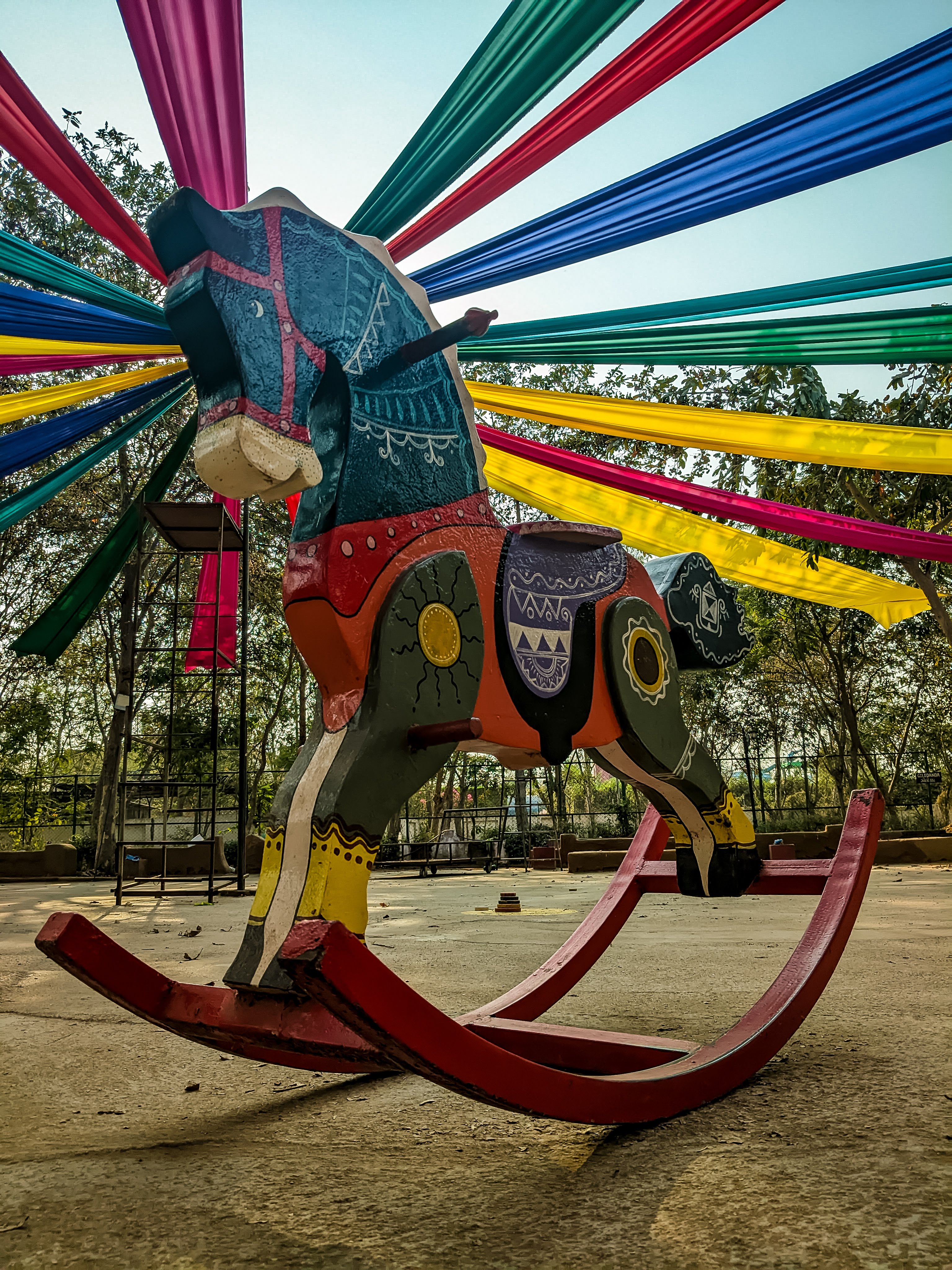
Under those bright strips of cloth tied to the sky, it didn’t feel like a park anymore. It felt like the kind of open ground where evenings belong to children.
The wooden rocking horse stood there, slightly tilted, as if waiting for someone small and fearless to jump on it. Not for a picture. Not for social media. Just to rock back and forth until imagination turned it into a real horse racing across fields.
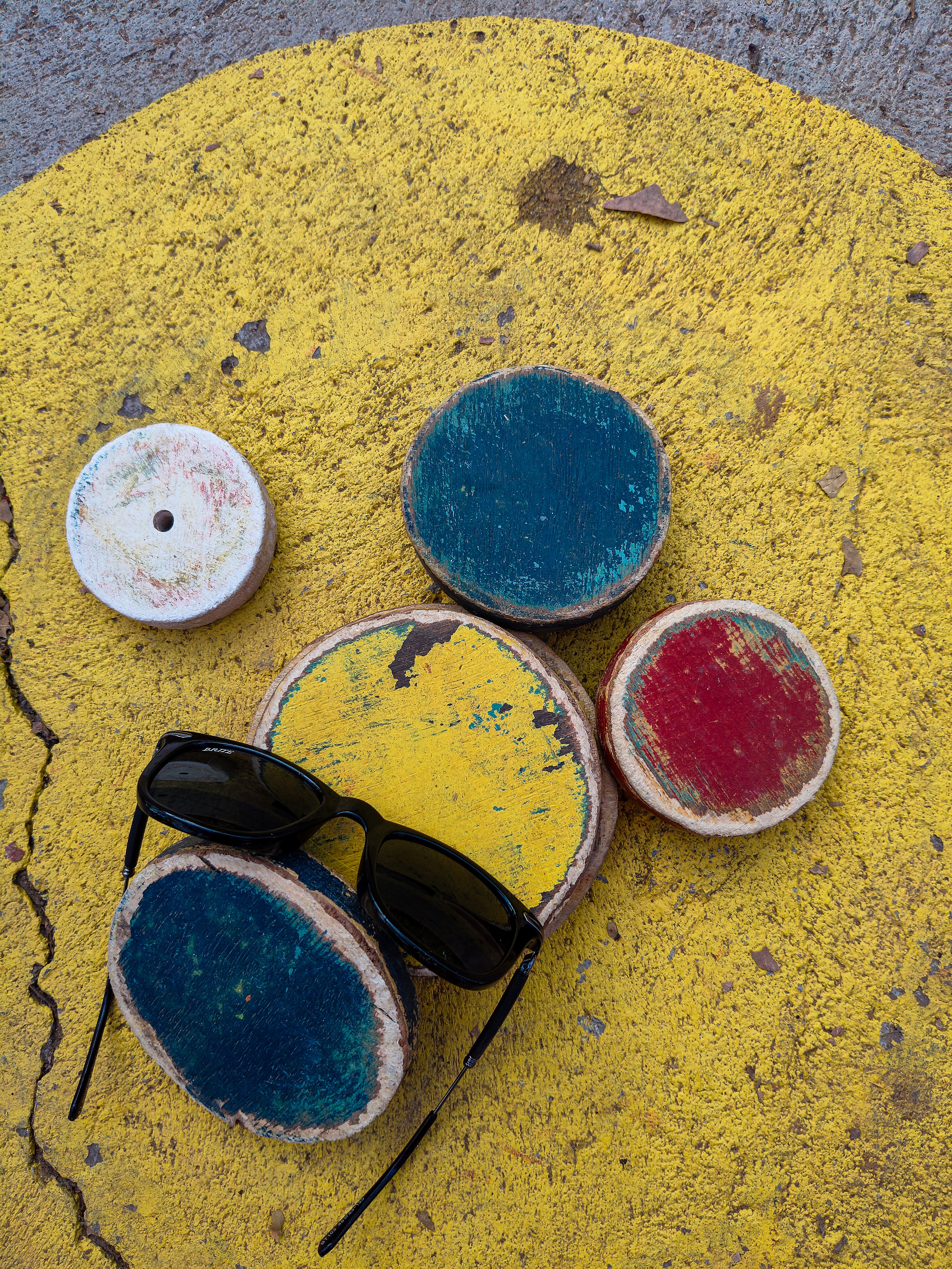
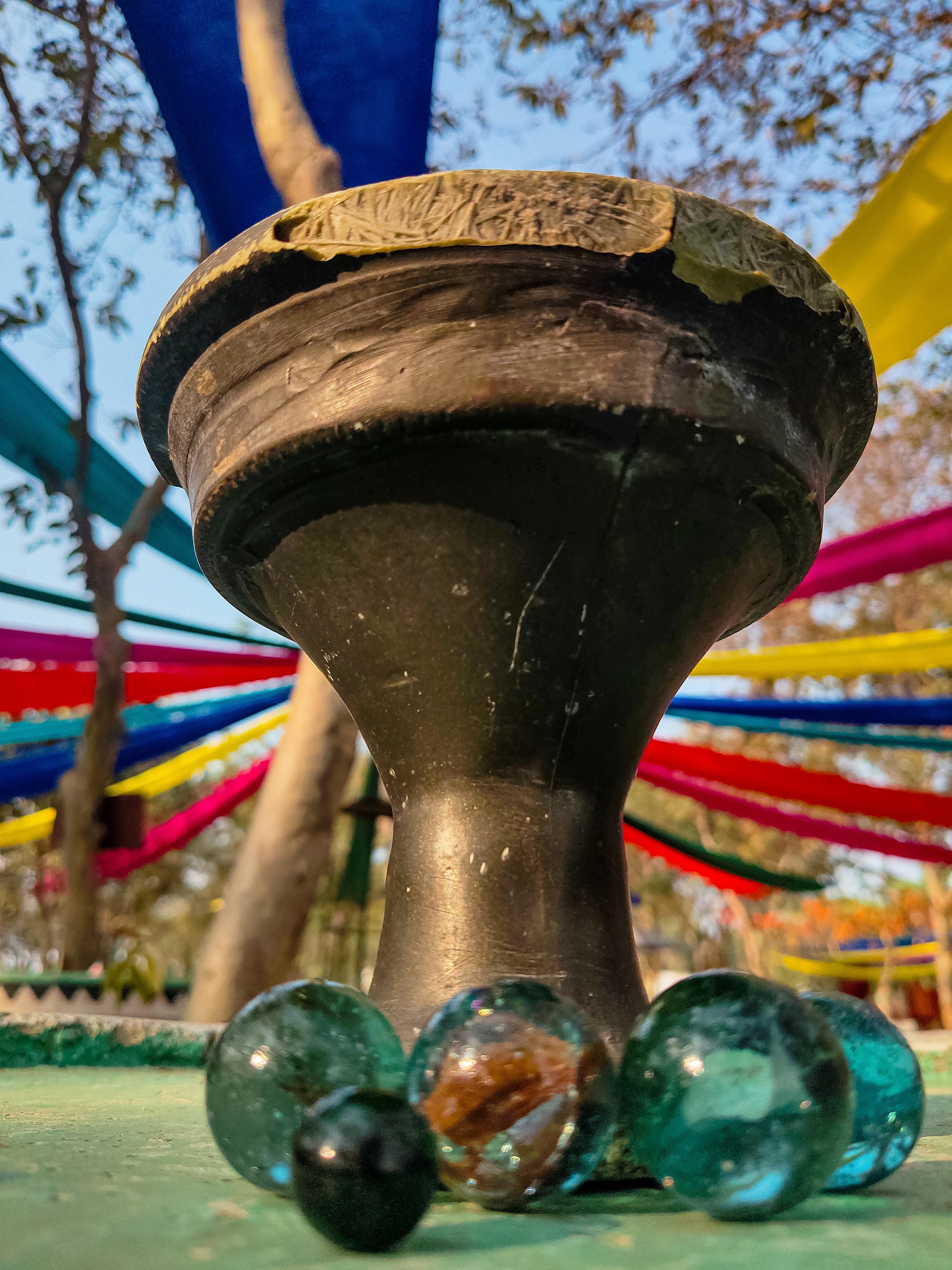
And then I saw them — the marbles. Kancha.
We used to play with them for hours. Dust on our hands, knees on the ground, eyes fixed on that tiny glass ball as if the whole world depended on that one shot. In our little universe, status was simple — the more kanchaas you had, the more power you carried. The ones who won more had a certain authority. A certain say. And I’ll admit it… I was one of them. I had my small kingdom of glass marbles, and for that moment in childhood, it meant everything.
There were no scoreboards. No online ranks. Just pride in your pocket.
Today, you rarely see children in cities playing kancha. PlayStations glow in dark rooms. Mall game zones blink with artificial lights. Wins are stored in servers now, not in shirt pockets. But something about holding a kancha in your hand — cool, smooth, slightly scratched — felt more real than any digital trophy ever could.
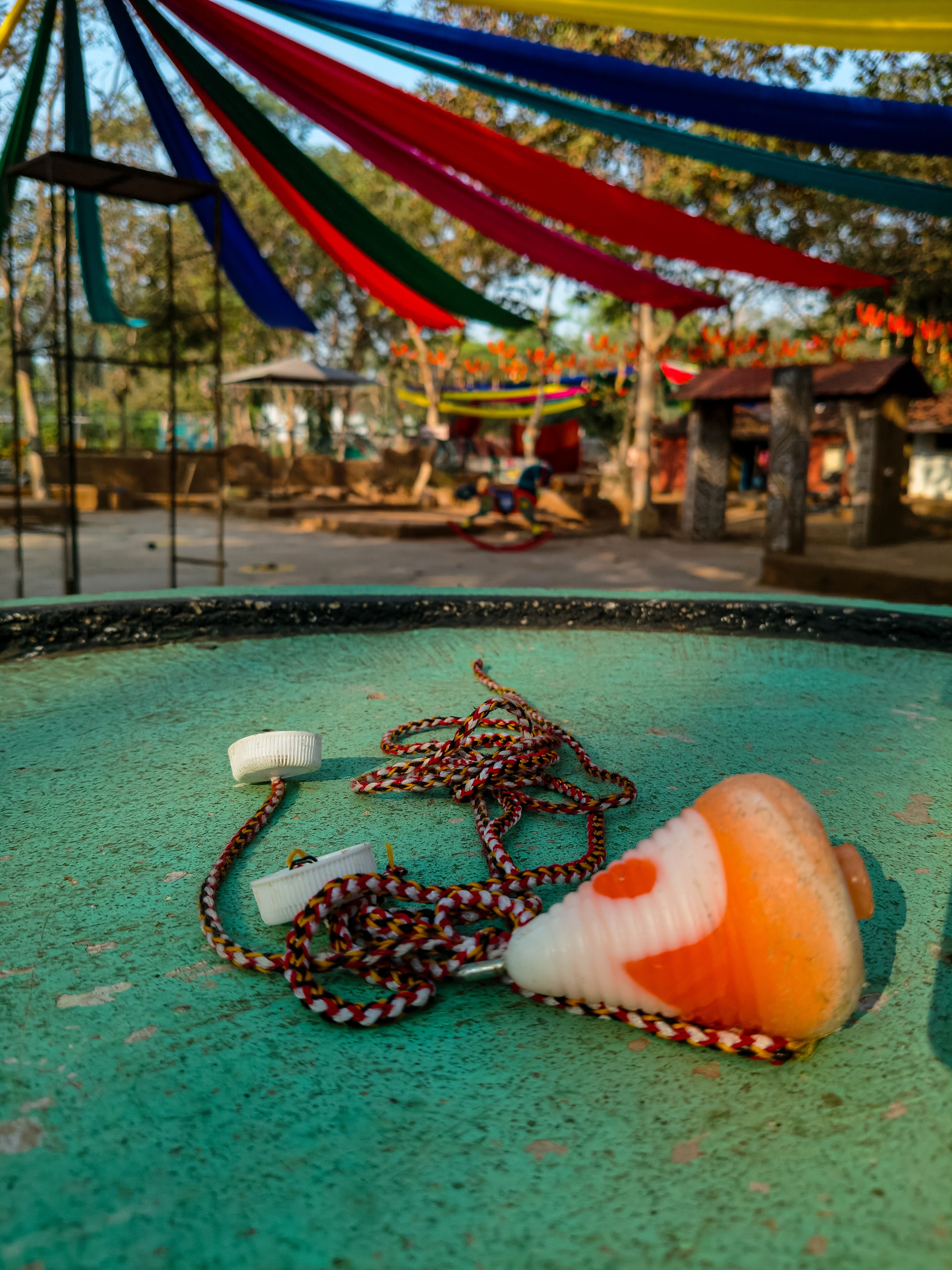
The spinning top lying sideways there, its thread tangled, reminded me of how suddenly games end. One day you’re crouched in the dirt, arguing about rules. The next day you’re too “grown up” to sit on the ground.
Village games were never just about winning.
They were about belonging. About laughter echoing across open fields. About building your own hierarchy, your own pride, your own tiny republic of childhood.
Standing there, looking at those forgotten toys, I didn’t just miss the games.
I missed who I was when I played them.
And maybe one day — just once — I’d like to sit on the ground again, draw a small circle in the dust, flick a kancha with my thumb, and feel that simple, unquestioned joy return.
Where the Sky Becomes the Wedding Hall#
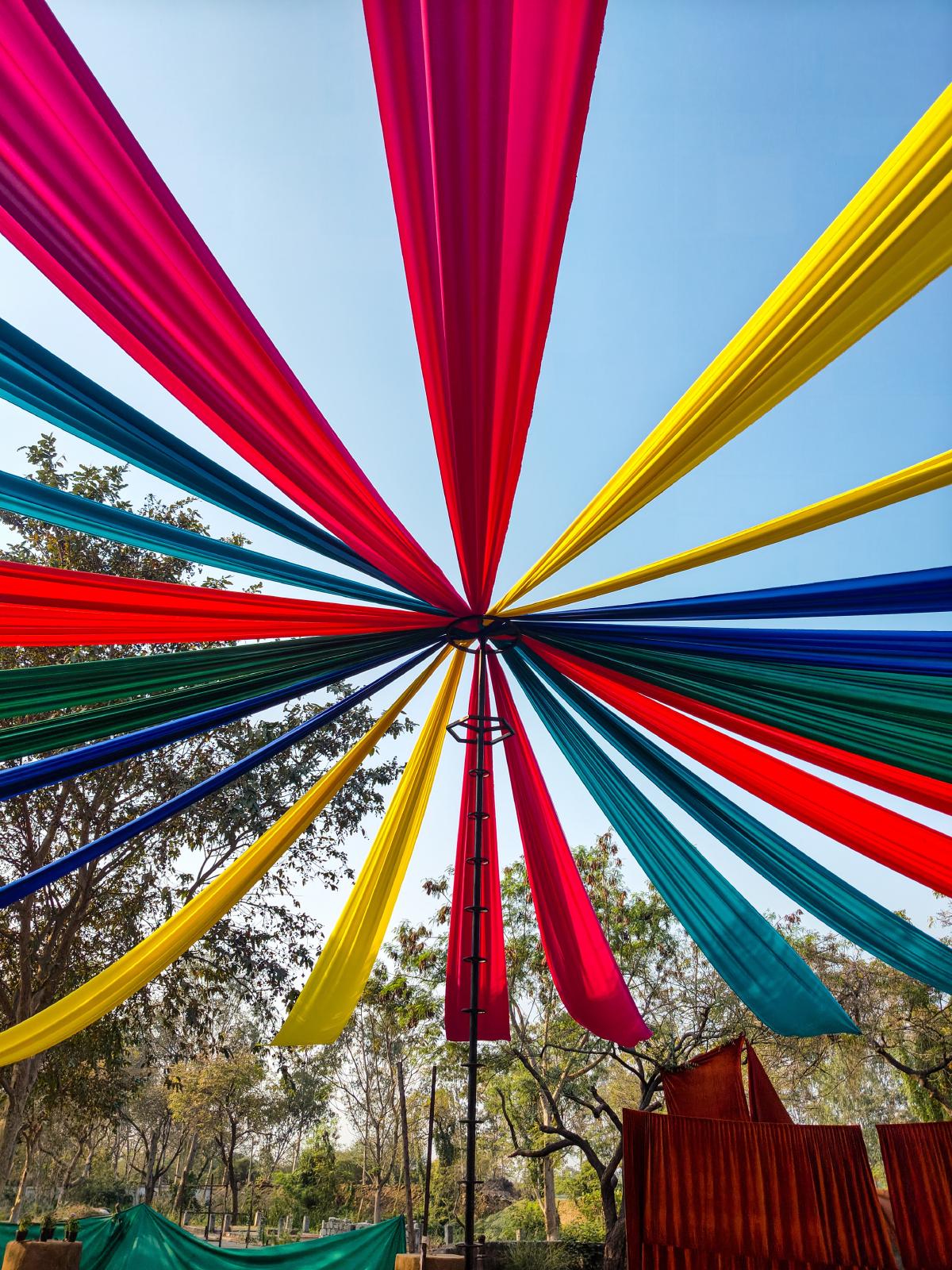
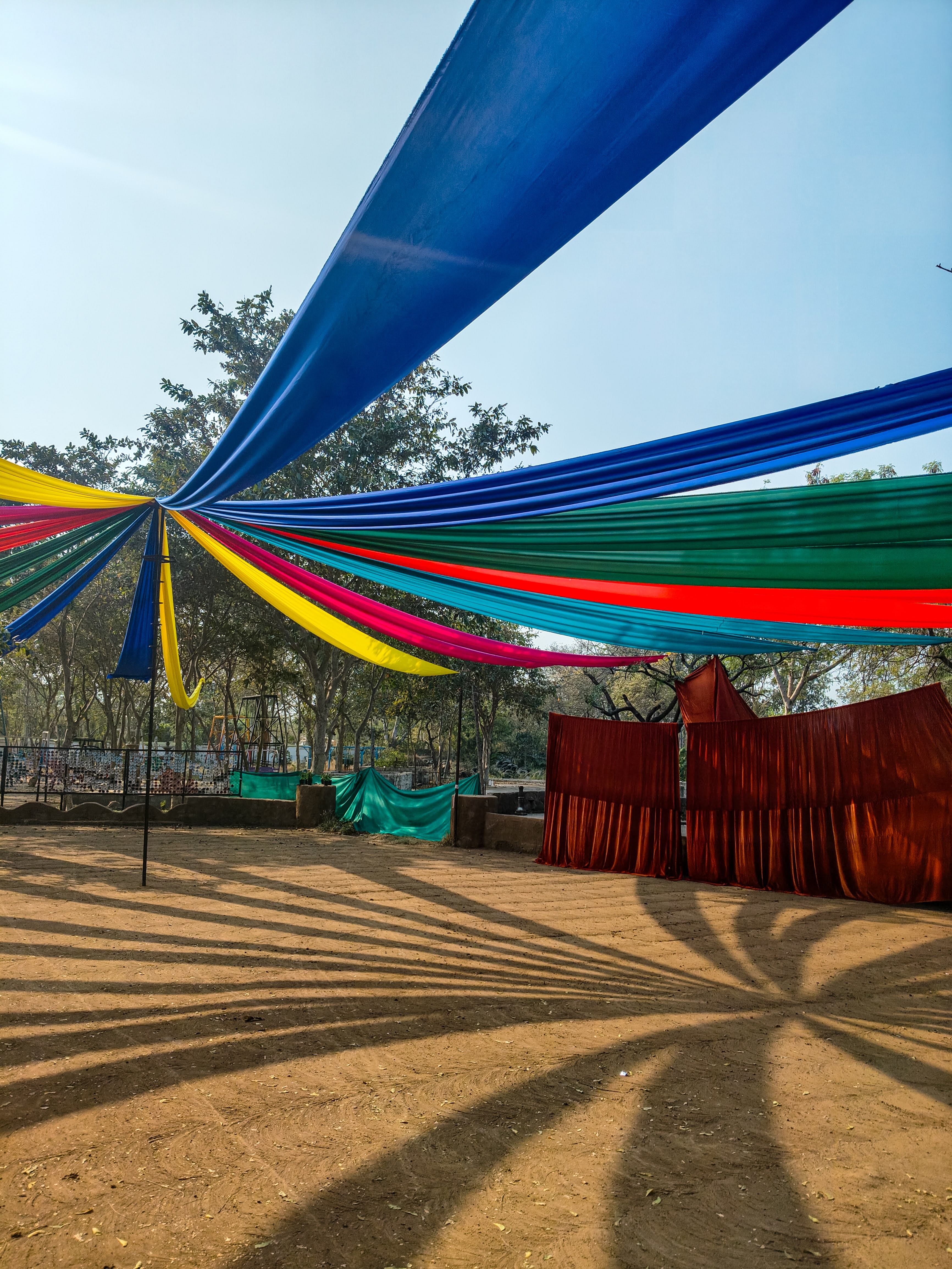
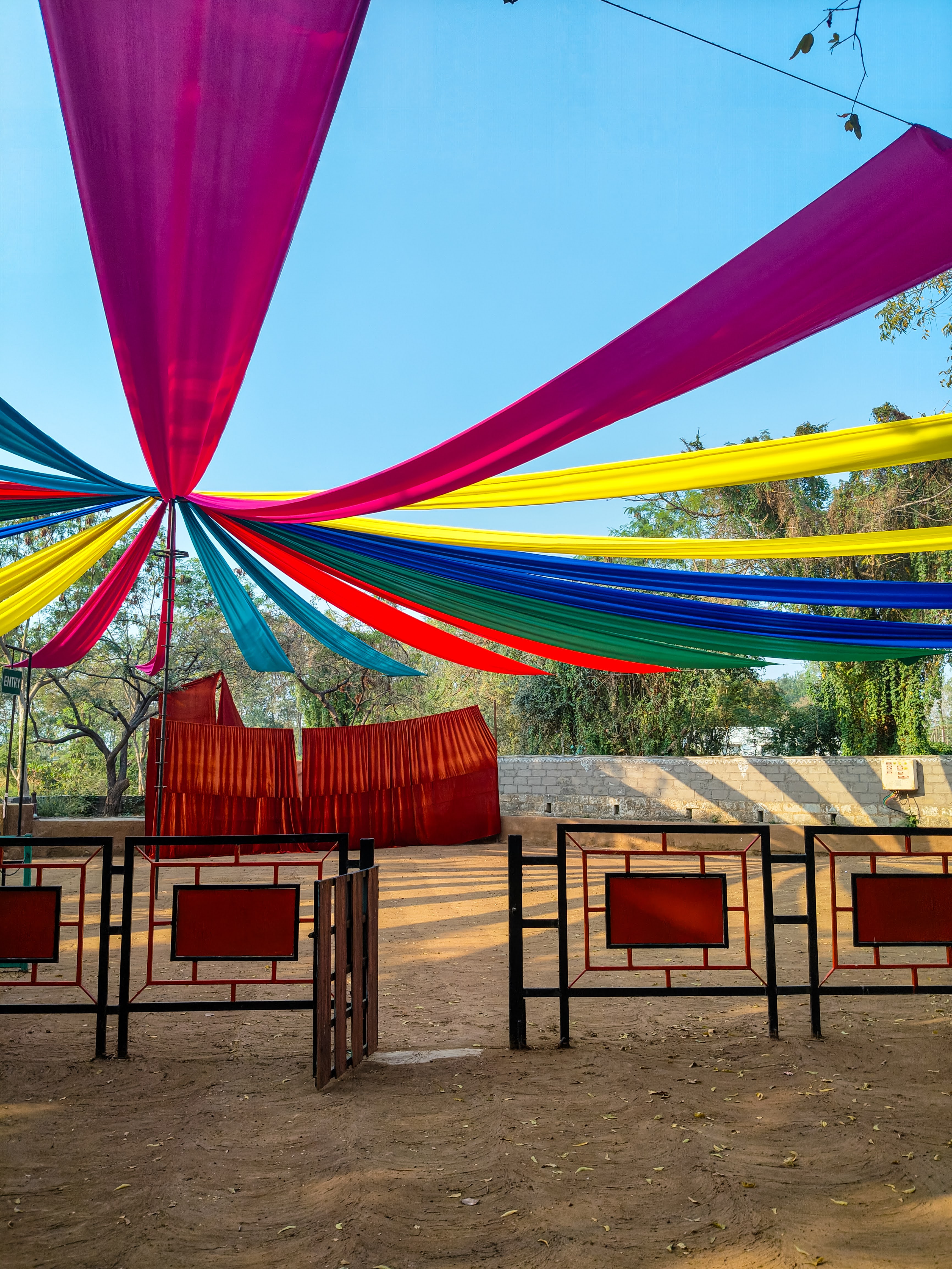
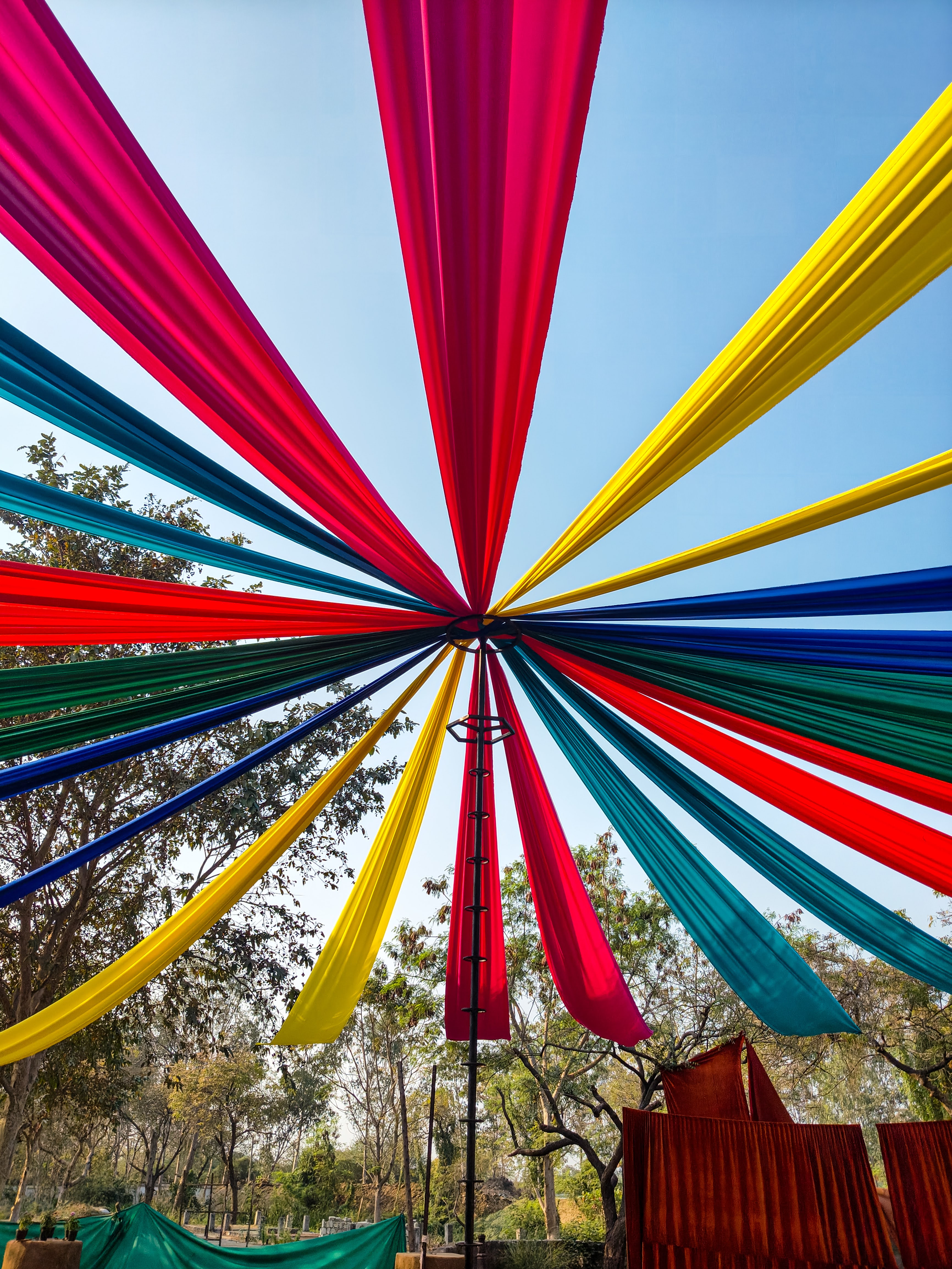
These bright fabrics stretched across the sky instantly felt like a village wedding — not the loud, chandelier-heavy ballroom kind, but the kind where the whole sky becomes the ceiling and the earth itself is the floor. Pink, yellow, blue, green — the colours weren’t just decoration; they felt like emotions stitched together and tied to one pole, spreading outward like quiet blessings. The shadows they cast on the mud looked like mehendi patterns drawn gently by the sun.
There’s something about a village wedding that doesn’t try too hard. No rehearsed choreography, no perfect lighting for social media — just people, laughter, steel plates clinking, children running barefoot, elders sitting on charpais retelling the same old stories as if they’re new. The red curtains in one corner felt like a stage waiting for someone to start singing — maybe an old folk tune, maybe a film song everyone knows but pretends they don’t.
It felt like we had arrived after something important had already happened. The fabric still stretched in every direction, bright and dramatic against the sky, like it had just witnessed music, dancing, maybe even a few quiet tears. I could almost see the procession — the bride walking in from one side, the groom standing under those ribbons, trying to look composed but failing a little.
Standing there, I felt that strange mix of joy and ache — the kind that comes when you realize moments like this are simple, but rare. In cities, weddings are events. Here, they feel like memories being made slowly. As if time itself pauses, adjusts its pagdi, and sits down quietly to watch.

Beneath the Masks, Under the Lights#
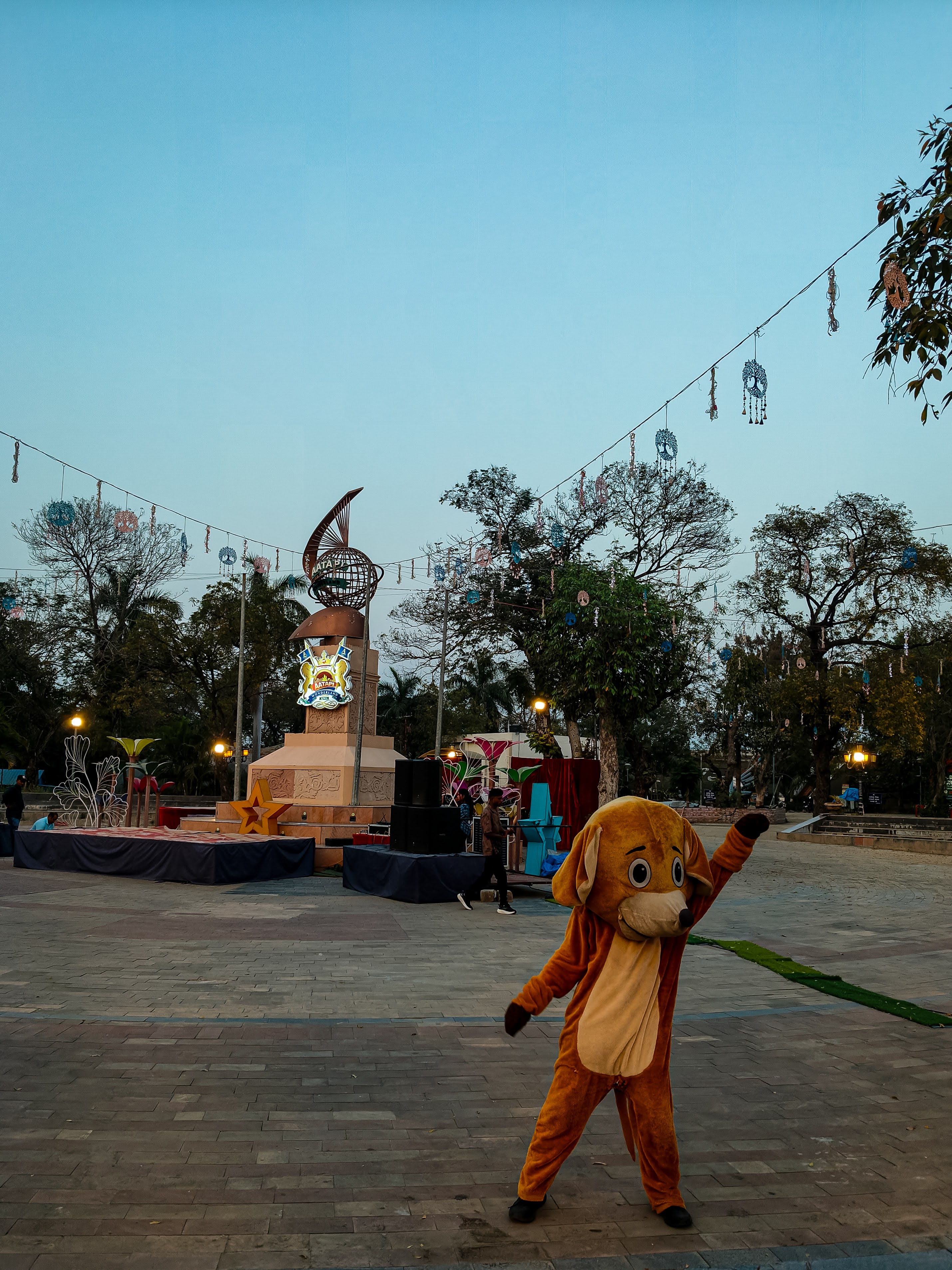
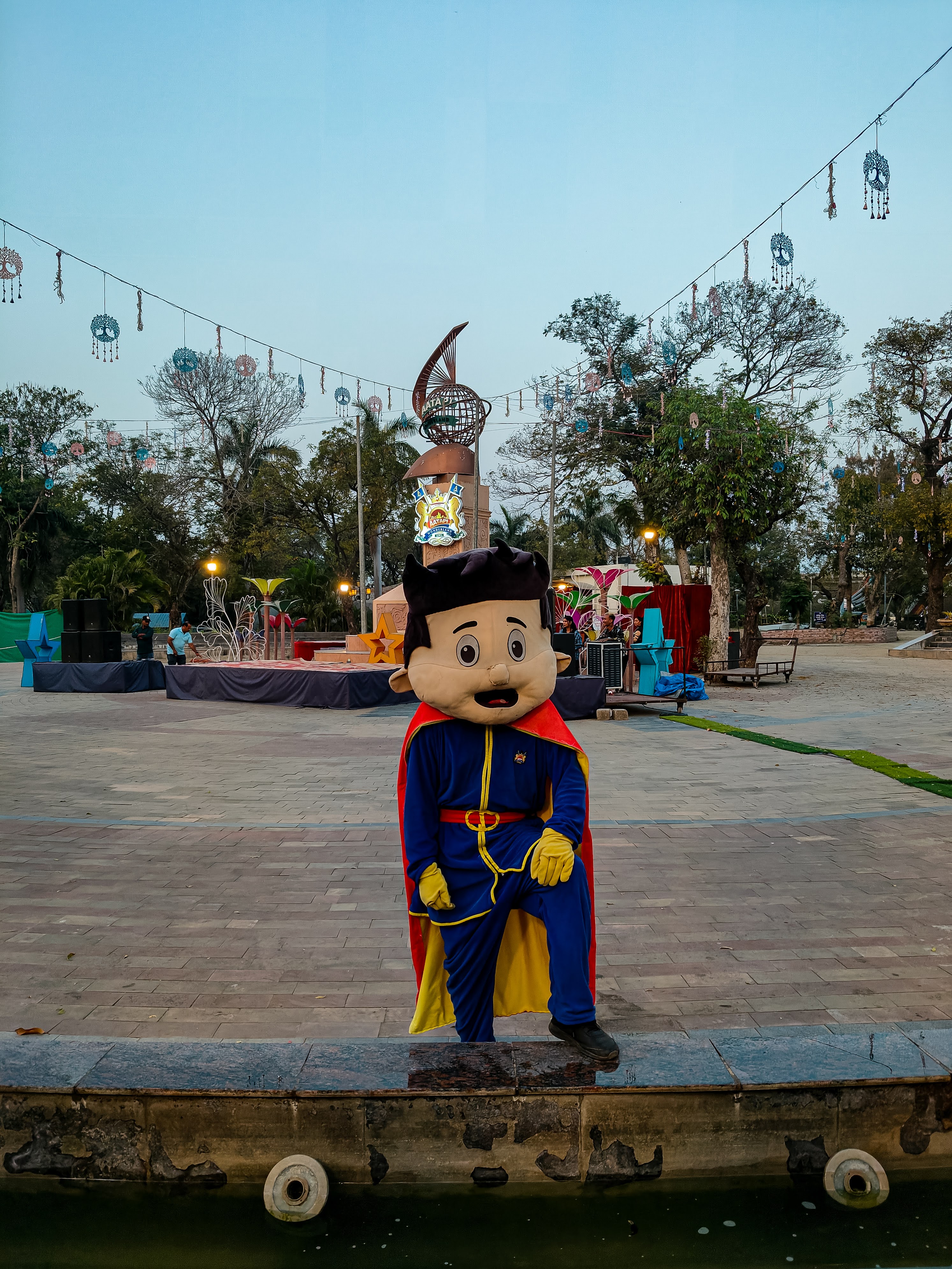
By evening, the park had changed its mood. The mascots had come out — oversized smiles, bright costumes, exaggerated waves — bending down to hug children, posing for photos, dancing without rhythm but with full heart. The children saw magic. We saw colour, movement, laughter. But beneath those masks, we don’t really know what storms might be hiding. Tired feet, unpaid bills, silent battles, heavy thoughts — all zipped inside foam suits and painted smiles. And maybe that’s what makes it more real. Because in some way, we are all like that — performing joy while carrying our own weather inside.
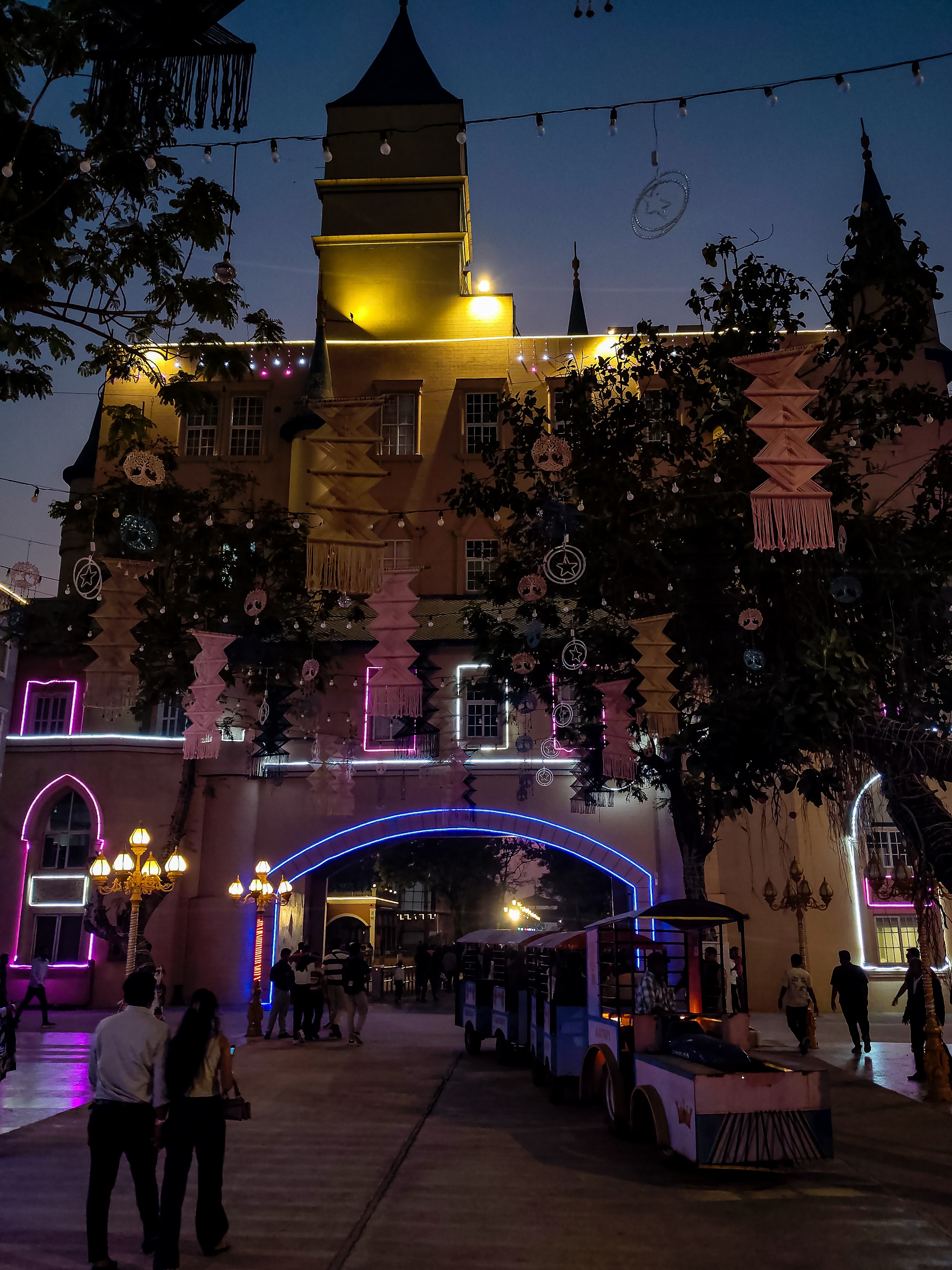
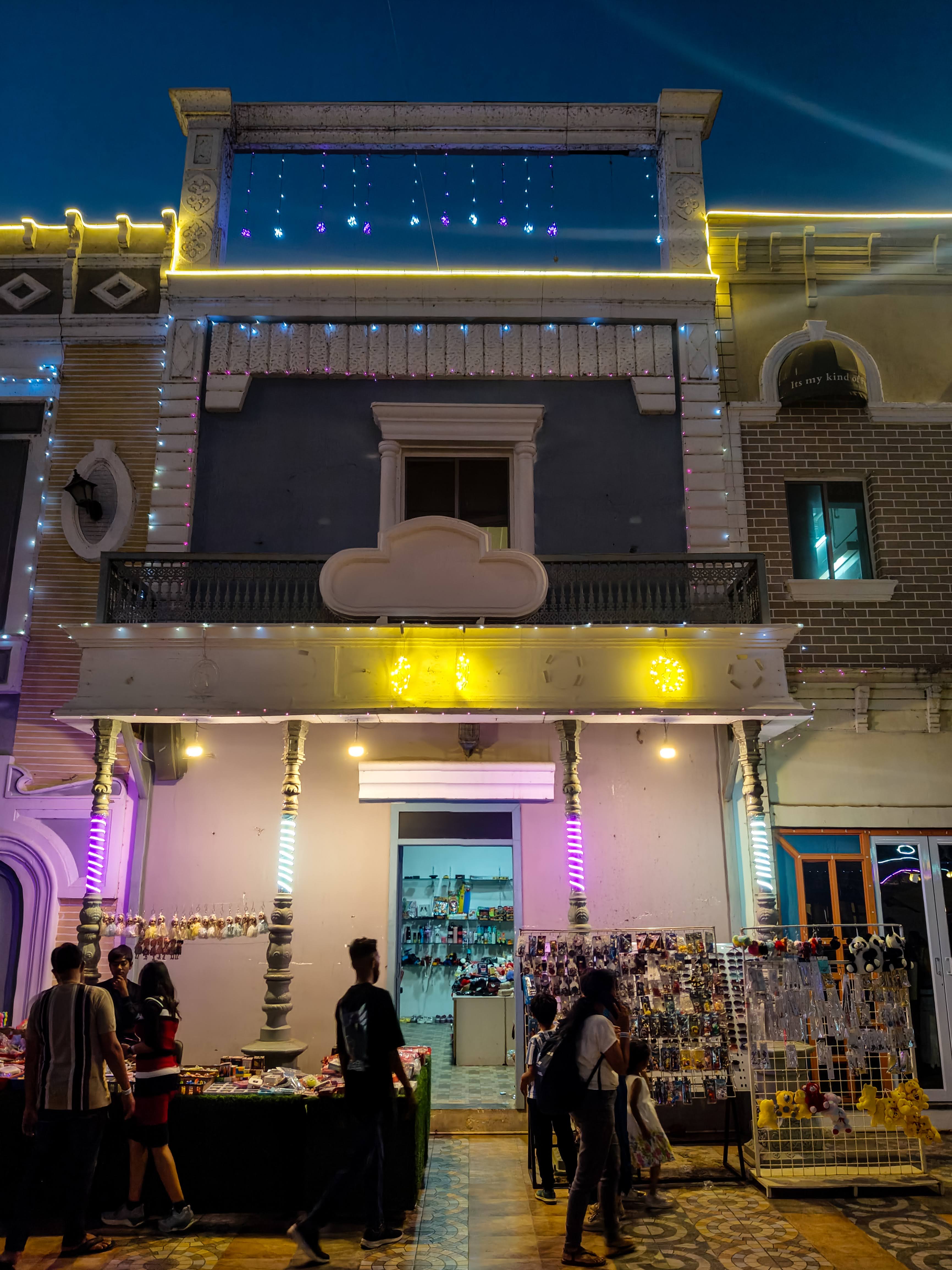
As night slowly settled, the lights turned on one by one. Some glowed strong, some flickered, some dimmed as if already tired. The buildings looked softer under neon outlines, the pathways warmer under yellow lamps. It felt festive, almost unreal — like the day refused to end properly. People kept walking around even after closing announcements echoed through the air. No one seemed in a hurry to leave. As if going home meant returning to responsibilities, routines, the weight of tomorrow.
The music faded. The mascots disappeared. Stalls shut down. The coloured fabrics that looked dramatic in daylight now hung quietly in the dark. A gentle silence began returning — not complete silence, just a softer version of it. A morning-like calm, but wrapped in night.
And yet people lingered. Slow steps. Unnecessary rounds. One last look. Maybe we all wanted to stretch the feeling a little longer — this small escape from our daily lives. But eventually, we had to go. The lights dimmed, the gates closed, and we walked back to the place we call home — carrying a little colour with us, even if only inside.
Closing Thoughts — What Stayed With Me#
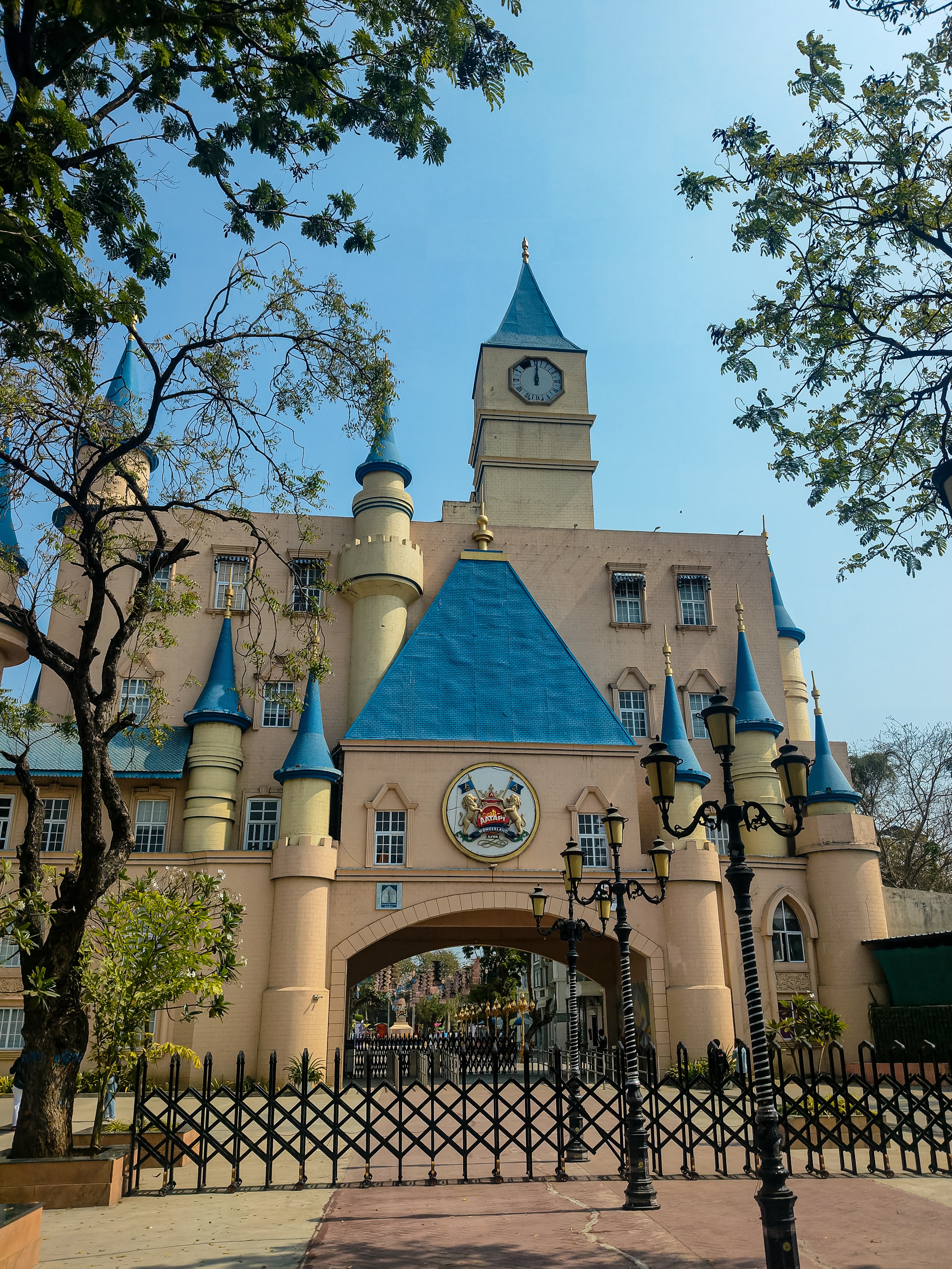
Atapi Wonderland is built for spectacle.
Bright colours. Curated excitement. Carefully designed happiness. Joy, arranged in sections.
But I didn’t chase the rides. I didn’t frame the chaos.
I found myself drawn to quieter things — lines stretching toward a single point in the sky, empty charpais waiting for stories, mud walls carrying patterns older than the park itself, colours hanging above ground that had already heard too much silence.
Maybe that says more about me than it does about the place.
I have always searched for order inside noise. For geometry inside emotion. For pauses inside celebration.
The park was alive — music, mascots, laughter, flashing lights. But my frames kept choosing stillness.
And maybe that’s how I survive the world. By finding something steady inside movement. Something quiet inside performance.
The night ended. The lights dimmed. The gates closed. But what stayed with me wasn’t the excitement — it was the silence hiding beneath it.
And somehow, that felt enough.
Gallery — All Moments#